 ultimate-guide
What Is a Home Inspection? 2026 Guide for Buyers
Table of Contents
- What Is a Home Inspection? A Clear Definition
- What Does a Home Inspector Check?
- What Is Not Included in a Home Inspection?
- How Long Does a Home Inspection Take?
- Home Inspection Report Examples: What You'll Actually Receive
- What Happens After the Home Inspection? Next Steps
- Frequently Asked Questions
Last Updated: October 14, 2026
What Is a Home Inspection? A Clear Definition
A home inspection is a visual non-invasion visual exam of a property’s accessible systems and components. The goal is simple: give you a clear picture of the home’s condition before you commit, so you don’t discover expensive problems after you’ve already closed. At Integrity Inspection Service, we've spent over 20 years walking buyers through exactly this process, and the same question comes up every time: what am I actually paying for?
The answer is clarity. An inspection gives you an objective assessment of the roof, foundation, electrical, plumbing, and HVAC systems before you commit to a real estate transaction. It is not an appraisal, and it is not a code compliance check. It is a snapshot of visible and accessible conditions on the day of the inspection.
Below, we'll break down what inspectors examine, what falls outside the scope, how long it takes, and how to read the report you receive.
What Does a Home Inspector Check?
A home inspector checks the structural components and major systems of a house, focusing on visible and accessible areas. The InterNACHI Standards of Practice define the baseline scope that certified inspectors follow, and it covers far more ground than most buyers expect.
Structural Components: Roof, Foundation, and Exterior
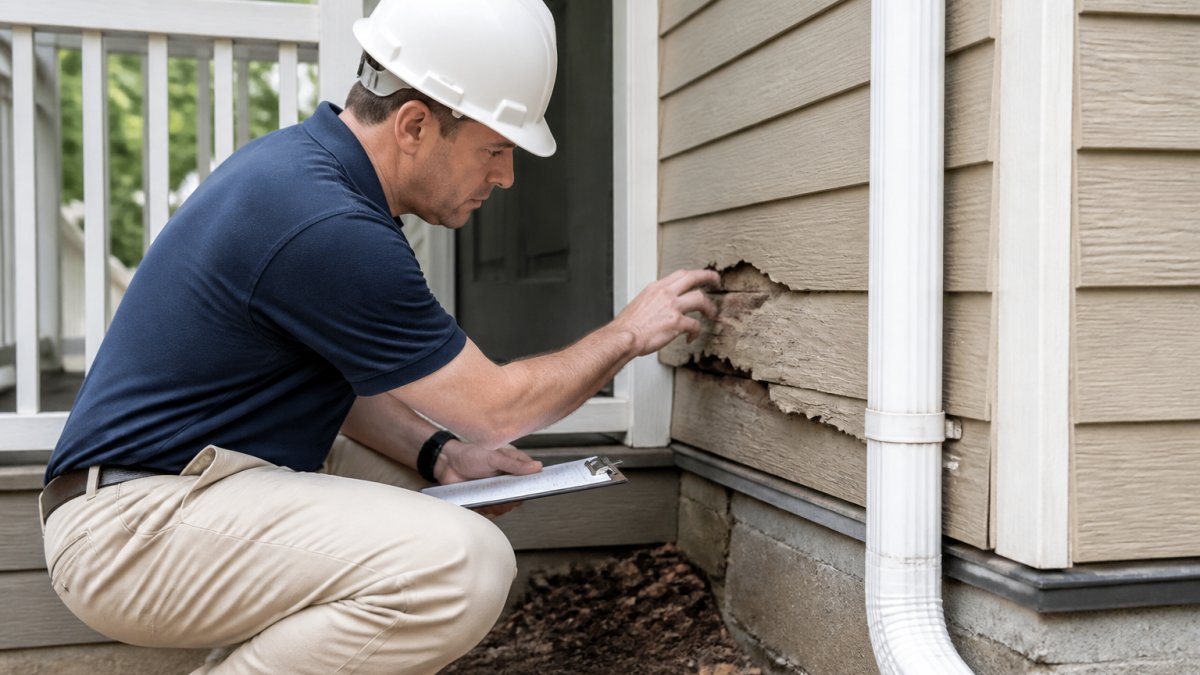
The inspector examines the roof covering and visible flashing, the foundation and any signs of movement, exterior walls, siding, trim, and drainage around the perimeter. Grading matters here: soil that slopes toward the house is a common finding, and it's one of the cheaper problems to fix early.
Interior Areas and Visible Conditions
Inside, inspectors look at walls, ceilings, floors, doors, and windows. They check for evidence of water intrusion, uneven floors, and windows that don't seal. Attics, basements, and crawl spaces are included when safely accessible.
Major Systems: Electrical, Plumbing, and HVAC
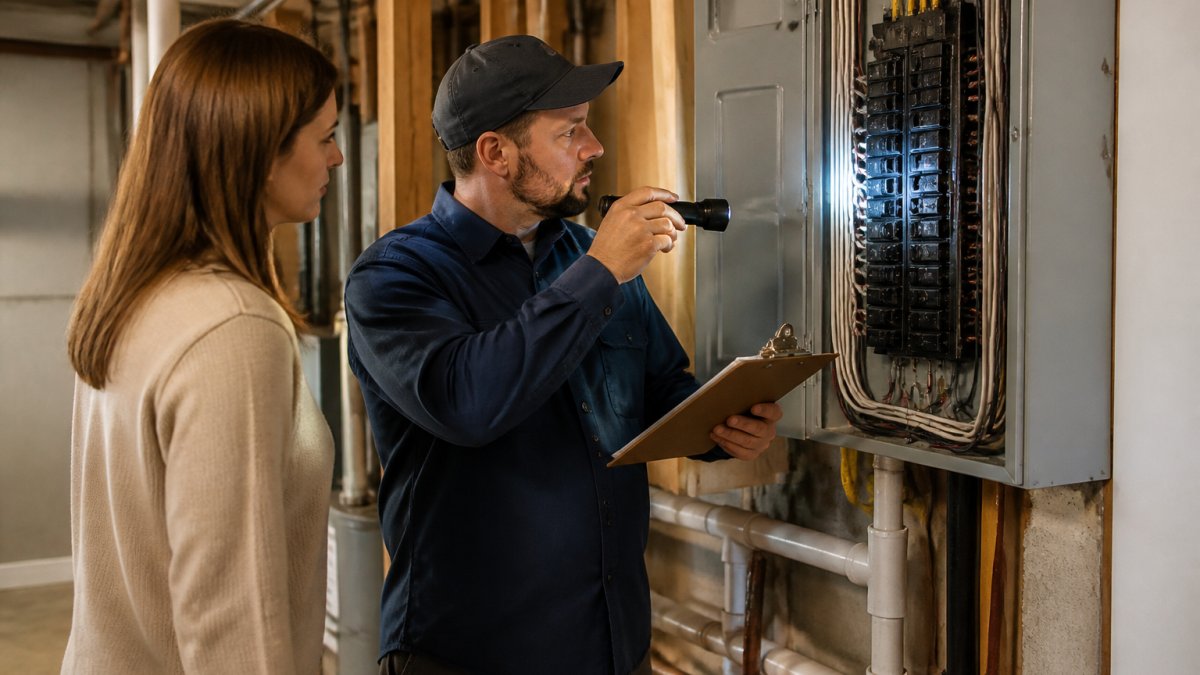
The electrical evaluation covers the service panel, wiring type, outlets, and grounding. Plumbing inspection covers supply lines, drains, water heaters, and visible leaks. HVAC checks cover the heating system, ventilation, air conditioning, and normal operating controls.
System | What Gets Checked | Common Findings |
|---|---|---|
Roof | Covering, flashing, drainage | Worn shingles, poor flashing |
Foundation | Cracks, movement, moisture | Hairline cracks, grading issues |
Electrical | Panel, wiring, outlets | Outdated wiring, ungrounded outlets |
Plumbing | Supply, drains, water heater | Slow drains, corrosion |
HVAC | Heating, cooling, ventilation | Aging units, dirty filters |
What Is Not Included in a Home Inspection?
A standard home inspection does not include specialized testing, invasive investigation, or anything concealed behind finished surfaces. Knowing this boundary protects you from surprise costs later.
Common exclusions:
- Radon testing, mold sampling, and pest inspection (typically separate services)
- Sewer line scope and septic system evaluation
- Swimming pools, sprinkler systems, and detached structures unless added
- Anything hidden behind drywall, insulation, or stored belongings
- Cosmetic items and code compliance verification
If you're buying in an area where radon is a known concern, ask about adding testing to your inspection. It's a scheduling question, not a separate relationship.
How Long Does a Home Inspection Take?
A typical home inspection takes three to four hours, depending on the size, age, and condition of the property. A small, newer condo may wrap in under two hours. A large older home with a crawl space and multiple HVAC zones can run longer.
Two variables drive the timeline more than anything else: the square footage and how much of the property is actually accessible. Locked crawl spaces, stored attics, and disconnected utilities slow things down and limit what can be observed.
We encourage our clients to join for the summary at the end of the inspection.
Buyers on site during the inspection can unintentionally slow the process and make it harder to stay thorough. Homes are like jigsaw puzzles — the full picture only comes together once every system has been checked. Meeting at the end lets us walk you through the findings with the complete picture already in place, so you leave with clear answers instead of a partial one.
Home Inspection Report Examples: What You'll Actually Receive
A home inspection report is a written document that lists observed conditions, defects, and maintenance issues, organized by system and typically illustrated with photographs. The best reports read like a prioritized punch list, not a novel. It shows you what matters and helps you know what to do next; so you can negotiate, plan, or walk away with confidence instead of guessing
A useful report includes:
- A summary of safety hazards and major defects up front
- Photographs of each finding, not just descriptions
- The location and likely cause of each issue
- A clear distinction between defects, maintenance items, and normal wear
- Recommendations for follow-up evaluation by a specialist where warranted
A Walkthrough of a Typical Finding
Most reports describe each item in four parts: the system, the observation, the implication, and the recommendation. Here is how that reads in practice for a common finding:
- System: Electrical, main service panel
- Observation: Double-tapped breaker at the panel; two conductors terminate under a single lug not rated for it.
- Implication: This condition can cause loose connections, overheating, and arcing at the panel.
- Recommendation: Have a licensed electrician evaluate and correct as needed.
Notice what the entry does not say. It does not say the house will burn down, and it does not say the panel is fine. It states what was visible, why it matters, and who should look next. That structure is what makes a report actionable rather than alarming.
How to Read the Summary First
The summary section is where inspectors flag the items most likely to affect safety or the transaction. Read it before the body. Then work backward through the body to understand context, photos, and limitations. A finding that appears in the summary with a photo and a location is one you should plan to address; a finding buried in the body with no photo and a note like "monitor" is usually routine maintenance.
The Follow-Up Workflow
Once you have the report, a simple sequence keeps you from missing anything:
- Highlight every safety item. These get addressed first, regardless of cost.
- Separate defects from maintenance. A defect is something broken or non-functioning; maintenance is something that needs attention soon but is not currently failing.
- Note every specialist recommendation. If the report says "evaluate by a licensed roofer," that is a signal to get a bid, not a suggestion to ignore.
- Group items by trade. Roofing, electrical, plumbing, and HVAC contractors each price differently, and bundling questions saves calls.
- Ask your inspector about anything unclear. A good inspector will walk you through the report by phone at no extra charge.
What most guides miss is that report quality varies enormously. Some reports bury a serious finding on page 40 with no photo. When you're comparing providers, ask to see a sample report before you book.
What Happens After the Home Inspection? Next Steps
After the inspection, you review the report with your inspector, then decide how to proceed with the transaction. This is where the inspection earns its keep.
Prioritize Findings by Severity, Not by Count
A 60-page report can feel overwhelming, but most findings fall into three buckets. Sorting them this way keeps you from treating a loose handrail and a failing foundation as equal problems.
- Safety hazards. Gas leaks, exposed wiring, missing GFCI protection near water, blocked flue vents, and structural deficiencies. These get addressed first, regardless of cost, because they affect people.
- Major defects. A roof at the end of its service life, a failed HVAC compressor, active water intrusion, or a sewer line that needs scoping. These are expensive and often negotiable.
- Maintenance and cosmetic items. Caulking, paint, minor grading, dirty filters, and worn weatherstripping. These are normal for any home and rarely worth a repair request on their own.
A useful rule of thumb: if the item would not stop you from closing but would cost real money in the first year, it belongs in the negotiation. If it is a weekend project, it belongs on your to-do list.
How the Inspection Contingency Works
The inspection contingency in your purchase agreement is the mechanism that gives you room to act. It typically sets a deadline by which you must complete inspections and respond to the seller. Miss the deadline and you may lose your leverage, or your earnest money. Contract terms vary by state and by the specific form your agent uses, so read the contingency language carefully and ask your agent to walk you through the timeline before you schedule the inspection.
Depending on what the report shows, your options generally include:
- Request repairs. Ask the seller to fix specific defects before closing. Be specific about scope and who performs the work.
- Negotiate credits. Ask for a closing cost credit and handle repairs yourself. This is often cleaner than asking a seller to coordinate contractors.
- Renegotiate the price. Useful when findings are significant but the seller won't repair.
- Walk away. If the contingency is still active and the findings are severe, this is a legitimate outcome.
With the report in hand, you can request repairs, negotiate credirs, or walk away while the contingency is still active. You stay in control of the decision.
Property-Type Differences That Change the Calculus
The same report reads differently depending on what you are buying.
- New construction. A builder warranty and a pre-drywall inspection change the picture. Many buyers schedule an inspection before drywall goes up to catch framing and rough-in issues that will be hidden later.
- Condominiums. The inspector typically examines the interior unit and any limited common elements, but the roof, exterior walls, and shared mechanical systems are usually the HOA's responsibility. Review the HOA's reserve study and recent minutes alongside your inspection report.
- Older homes. Knob-and-tube wiring, galvanized plumbing, asbestos-containing materials, and lead paint are common in pre-1978 housing. These may require specialist evaluation and can affect insurability.
Regional and Climate-Specific Risks
Some concerns are not part of a standard inspection but matter a great deal depending on where the property sits. Radon is a naturally occurring gas that can accumulate in any home and is typically tested separately. Termites and other wood-destroying insects are common in many regions and usually require a dedicated pest inspection.
For out-of-state buyers purchasing sight unseen, the report and a follow-up call often serve as your only eyes on the property. That's exactly why we don't perform repairs: there's no incentive to soften findings or steer work. You get the condition as we found it, with photos and plain-language observations.
If you're working with a real estate agent, share the report early. Agents who see findings before the negotiation window closes can move faster on your behalf.
Frequently Asked Questions
What is the biggest red flag in a home inspection?
Structural issues like foundation cracks, roof damage, or major electrical problems are the biggest red flags. These often signal expensive repairs that could affect your safety and budget. A home inspection report will flag these as safety hazards or major defects, helping you decide whether to negotiate, request repairs, or walk away. Always prioritize issues that compromise the home's structural integrity or put occupants at risk.
How much do home inspectors normally cost?
Home inspection pricing is typically seasonally adjusted and starts at $450–$500 for a standard single-family home. The final cost can go higher depending on the home’s age, square footage, location, and any additional services (such as radon testing or a sewer scope). Older or larger homes usually fall at the higher end of the range. The best way to get an accurate number is to request a quote based on the specific property. Integrity Inspection Service provides straightforward pricing with no obligation. Get a quote online to see the exact cost for the home you’re considering.
Do home inspectors check every room?
Inspectors examine all accessible rooms, including bedrooms, bathrooms, kitchen, living areas, attic, and basement. They check visible and accessible components like walls, ceilings, floors, doors, windows, and outlets. However, they do not move furniture or personal belongings, so some areas may be partially obscured. The goal is a non-invasive visual examination of the property's condition at the time of inspection.
What happens after a home inspection?
After the inspection, you receive a detailed report with photos and descriptions of any defects, safety hazards, or maintenance issues. You can then discuss findings with your inspector, get repair estimates, and decide how to proceed. If you have an inspection contingency, you may negotiate repairs or price adjustments with the seller. Integrity Inspection Service provides a clear report and a follow-up consultation so you understand exactly what the findings mean for your purchase and what your options are.
What payment options do you accept?
We accept all major credit cards, debit cards, ACH, Cash App, and Venmo. Payment is due before the summary if you attend, or before the report is delivered if you don’t. We also offer Pay at Close through Spectora on certain packages (including those with ancillary services) at no additional fee. Buy Now, Pay Later options such as Affirm are being added for larger packages. Exact options are confirmed when you book.
How soon will I get the report?
We aim to deliver most reports the same day or the next day. For standard residential inspections, you can expect the report by late evening on the second business day. If you need it sooner, let us know when you book so we can prioritize it. Larger homes or properties with significant issues may take longer, and your inspector will let you know if that’s the case. You’ll receive a clear, photo-rich report you can review and share with your agent or the seller.
Do I need to be present for the Inspection?
No. We encourage you to join for the summary at the end so we can walk you through the findings with the full picture already in place. You’re not required to attend the entire inspection.
Can I use the report to negotiate a with the seller?
Yes. The report gives you documented findings you can use to request repairs, negotiate credits, or decide whether to move forward. Many buyers share it with their agent before the contingency deadline.
What if the inspection finds major issues?
You’ll have a clear record of the problems and their locations. From there you can request repairs, ask for a credit, renegotiate the price, or walk away while your contingency is still active. The report puts the decision in your hands.