 listicle
Top-Rated Home Inspectors in East Tennessee: 2026 Guide
Table of Contents
- What Separates Top-Rated Home Inspectors in East Tennessee
- How to Compare Home Inspectors Beyond Star Ratings
- What to Look for in a Home Inspection Report
- Home Inspection Report Examples: What a Useful Report Looks Like
- How Long Does a Home Inspection Take?
- Questions to Ask a Home Inspector Before You Book
- After the Inspection: Turning Findings Into Decisions
- Frequently Asked Questions
Last Updated: October 14, 2026
What Separates Top-Rated Home Inspectors in East Tennessee
If you are searching for top-rated home inspectors in East Tennessee who provide detailed, easy-to-read reports, the difference comes down to three things: independence, clarity, and proof. Integrity Inspection Service has spent more than 20 years inspecting homes in Knoxville and the surrounding counties, and we have watched buyers get burned by reports they could not understand. A home inspection is a visual, non-invasive evaluation of the property's systems and structure, documented in a written report.
Here is the part most buyers learn too late: a thick report is not the same as a useful one. A useful report tells you which findings are safety hazards, which are major defects, and which are routine maintenance, with photos and locations. It gives you a punch list, not a novel.
How to Compare Home Inspectors Beyond Star Ratings
Star ratings tell you whether people were satisfied. They do not tell you whether the inspector is independent, certified, or fast enough for your closing timeline. Many of the companies with the highest volume of reviews are also the ones most active in realtor referral networks. A steady stream of agent referrals can drive both volume and positive ratings, but it can also create pressure to keep findings from disrupting the deal.
Most directory listings stop at a star count and a phone number, not enough to protect you in a transaction. Here is a comparison framework you can run yourself in about ten minutes.
Step 1: Confirm Independence
Ask whether the inspector is free from realtor influence. An inspector who relies on real estate agents for referrals has a built-in reason to keep findings soft so they don’t jeopardize the deal or future work. Independence means the inspector works for you, not for the transaction or the agent.
Not performing repairs is also important (it removes another conflict), but the bigger issue is whether the inspector is truly independent of the real estate agents involved in the sale. An inspector who reports what they see and hands you the decision—without worrying about agent relationships—is the one working in your interest.
“While we appreciate referrals from agents, the client is who we work for, not the agent. Properly conveying the truth about the condition of the property is our highest priority. It is crucial for the inspector to be completely free from conflicts of interest with agents or contractors.”
—Inspector Buck Fleming, Integrity Inspection Service
Step 2: Verify Credentials
Look for InterNACHI (International Association of Certified Home Inspectors) certification, which requires ongoing training and a standards-of-practice commitment.
Tennessee is a licensed state, so every home inspector performing inspections here must hold a current license. We have seen inspectors operating with lapsed licenses, so it’s worth confirming. Ask whether the inspector carries errors and omissions insurance, and verify the license yourself at verify.tn.gov. Credentials are checkable, so check them.
Step 3: Read a Real Report Sample
This is the step most buyers skip, and it matters most. Ask for a sample report before you book, and read it for three things:
- Categories: Are findings sorted into safety hazards, major defects, and routine maintenance, or dumped into one long list?
- Photos and locations: Does each significant finding show a photo and tell you where in the home it is?
- Plain language: Can you understand every entry without a contractor translating it?
If a company will not share a sample, treat that as an answer.
Step 4: Pin Down Turnaround
Ask when the report arrives and get it in writing. Same-day and next-day delivery keep a transaction moving; under a tight inspection period, a slow report can cost you leverage. Confirm whether expedited delivery is available and whether it must be requested at booking.
Step 5: Map the Service Area
East Tennessee is not one market. A company that covers Knoxville may or may not travel to surrounding counties, and travel can affect scheduling and cost. Ask directly whether your county and town are in the regular service area.
We regularly inspect homes throughout Knox County and the surrounding counties, including Blount, Anderson, Loudon, Sevier, Jefferson, and Union.
Step 6: Clarify Scope and Add-Ons
Confirm what the standard inspection includes and what requires separate testing. A standard inspection is visual and non-invasive; radon testing, sewer scopes, and similar services are typically add-ons. Knowing the difference up front prevents surprises later.
What to Compare | Why It Matters | What to Ask |
|---|---|---|
Independence | Avoids conflict of interest | Do you sell or quote repairs? |
Certification | Shows current training | Are you InterNACHI certified and insured? |
Report sample | Proves readability | Can I read a sample report? |
Turnaround | Protects your timeline | When is the report delivered, and is expedited available? |
Service area | Confirms coverage | Do you inspect my county and town? |
Scope | Sets clear expectations | What is included, and what costs extra? |
A Note on Ratings and Reviews
Reviews are useful, but read them for patterns rather than a single score. Look for comments about report clarity, thoroughness, and whether the inspector explained findings in plain language.
Pricing is worth a candid conversation. Inspectors in this market charge differently, and the cheapest quote is rarely the most thorough. Our pricing is seasonally adjusted, with the final cost depending on age, square footage, location, and any added services.
What to Look for in a Home Inspection Report
A good inspection report is a prioritized punch list that helps you separate safety hazards from major defects and routine maintenance. If a report buries a cracked heat exchanger on page 40 with no photo, it has failed you.
At Integrity Inspection Service, we encourage clients to join for the summary at the end rather than walk the full inspection. Homes are like jigsaw puzzles.
The Three Tiers: Safety Hazards, Major Defects, Routine Maintenance
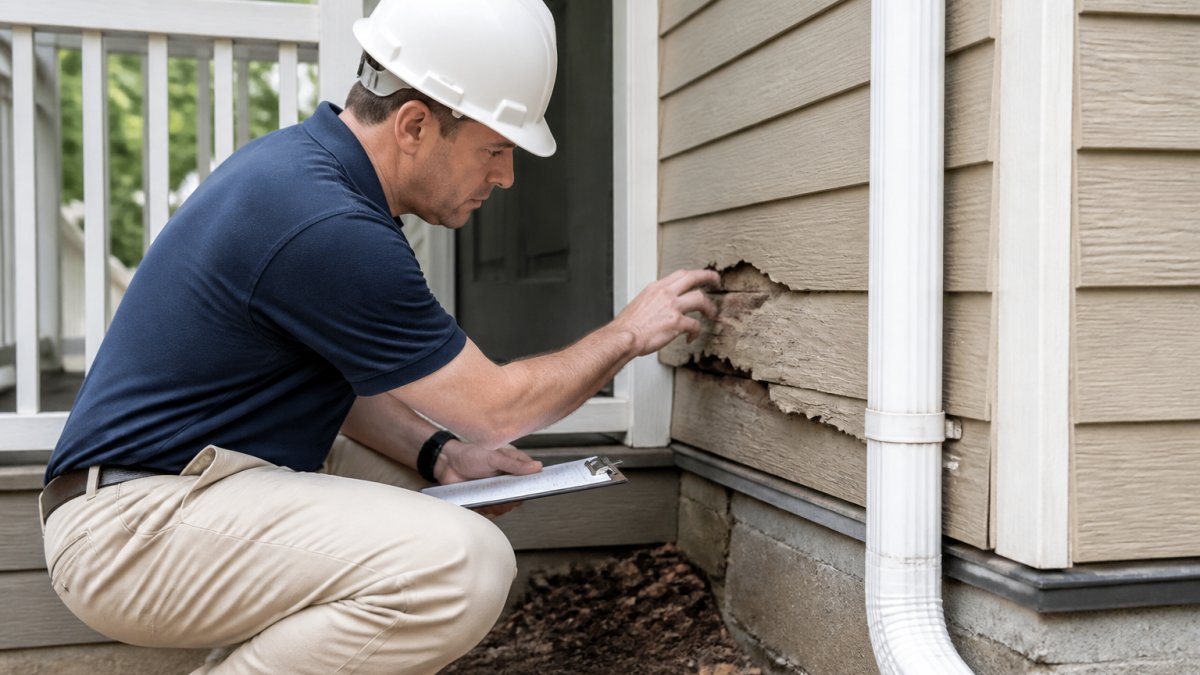
Safety hazards are conditions that could injure someone or damage the home, such as exposed wiring or a failing water heater relief valve. Major defects are costly problems like foundation movement or a roof at the end of its life. Routine maintenance covers smaller items like caulking, grading, and worn weatherstripping. Sorting findings into these three tiers turns a report into a decision tool.
Home Inspection Report Examples: What a Useful Report Looks Like
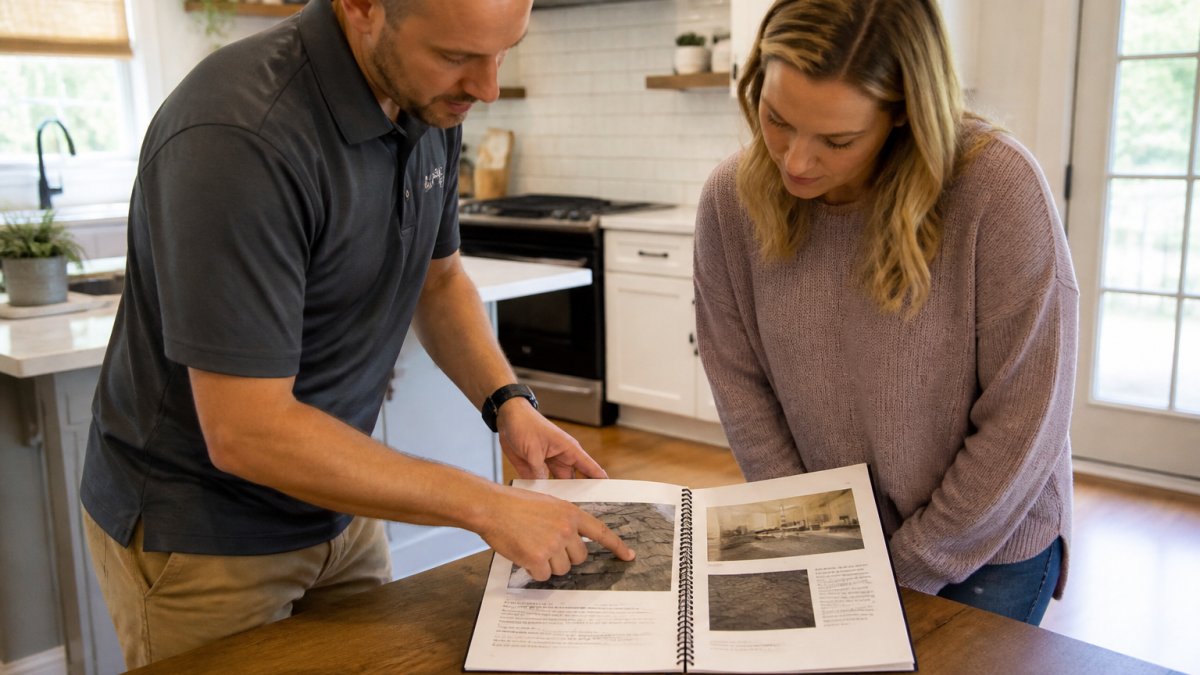
Most companies claim their reports are "clear" or "easy to understand." That claim is easy to make and hard to verify. Here is what readability looks like in practice, plus a checklist you can use to judge any report.
What a Good Entry Looks Like
Picture a report entry that reads: "Main bathroom, tub surround: loose tile and soft drywall below the faucet, photo 14. Water is likely reaching the wall cavity. Recommend evaluation by a licensed contractor before closing." That entry tells you the location, the concern, the evidence, and the next step. Compare it to "tub area shows wear," which tells you nothing, you cannot find it, judge it, or decide what to do about it.
What a Detailed Report Should Contain
A useful report is a prioritized punch list, not a novel. Use this checklist to judge any report you receive or review as a sample:
- A summary section that surfaces the most important findings first
- Three-tier sorting that separates safety hazards, major defects, and routine maintenance
- Photos for significant findings, with enough context to locate the issue
- Clear locations written in plain terms ("under the kitchen sink," not just "plumbing")
- Plain-language descriptions that explain what the finding means
- A recommended next step for each significant finding, such as "evaluate by a licensed contractor"
If a report is missing the summary, the three-tier sorting, or the photos, it will be harder to use when you are deciding what to negotiate.
Why Plain Language Matters More Than Page Count
A thick report is not the same as a useful one. Page count can come from boilerplate, repeated disclaimers, and generic maintenance tips.
Here is the test: hand the report to someone who has never bought a home. If they can tell you the three biggest issues and where each one is, the report works. If they cannot, it does not.
How to Read Your Report Once You Have It
Start with the summary. Treat anything in the safety hazard tier as your first conversation. Move to major defects and decide whether each is a negotiation point, a budget item, or a reason to walk.
A clean general inspection does not mean specialized testing is unnecessary. Standard inspections are visual and non-invasive, so what is behind walls or under slabs is outside the scope.
Once you have the report, download it and upload it into an AI tool such as Grok, ChatGPT, or Claude. These tools can help break down the findings, estimate repair costs, prioritize what matters most, and flag items that need clarification from the inspector. After that, schedule a short follow-up call. We send a Calendly link so you can book a time that works for you to go over any questions directly with the inspector.
How Long Does a Home Inspection Take?
A standard home inspection typically takes three to four hours, depending on the size, age, and condition of the home. Larger homes, crawl spaces, and properties with significant issues take longer.
At Integrity Inspection Service, we aim to deliver most reports the same day or the next day. For most standard residential inspections, expect the report by late evening on the second business day.
Questions to Ask a Home Inspector Before You Book
Ask these questions before you commit. The answers tell you whether the inspector works for you or for the transaction.
- Are you independent, or do you also perform repairs?
- What certifications do you hold, and are you InterNACHI certified?
- Can I see a sample report?
- When will the report be delivered?
- What is included, and what requires separate testing?
- Do you offer radon testing as an add-on?
- How do you handle findings that need a specialist?
Radon is a fair question in this region, and the answer is straightforward. We perform radon testing as an add-on to a home inspection, not as a standalone service.
On mold, honesty matters more than a quick answer.
After the Inspection: Turning Findings Into Decisions
Findings are not verdicts. They are information you use to negotiate, plan, or walk away. Once you have the report, you can ask the seller to address safety hazards, budget for major defects, or treat routine maintenance as a to-do list.
For out-of-state buyers purchasing sight unseen, the report is your eyes on the property. It is the difference between trusting a listing photo and knowing what you are actually buying. You can schedule online and get a quote before you commit.
Buying a home in Knoxville or the surrounding counties means making decisions with incomplete information unless you have a thorough, readable report in hand.
Frequently Asked Questions
What should a detailed home inspection report include?
A useful report should read like a prioritized punch list, not a novel. It should separate safety hazards, major defects, and routine maintenance items so you can tell what needs immediate attention versus what can wait. Each finding should include a clear location, a photo, and a plain-language explanation of what it means for the home. A report that groups everything together with no priority makes it harder to negotiate or plan repairs. Ask to see a sample report from any inspector before you book.
How long does it take to receive a home inspection report?
Most home inspectors aim to deliver reports the same day or the next day. For a standard residential inspection, expect the report by late evening on the second business day at the latest. Some inspectors offer expedited same-day reports if you request it at booking. Larger homes or properties with significant issues can take longer, and a good inspector will tell you upfront if that applies. Always confirm the delivery timeline before you schedule, especially if you have a tight closing date.
Should buyers attend the entire home inspection?
Most inspectors recommend joining for the summary at the end rather than following along for the full inspection. Buyers on site during the entire walkthrough can slow the process and make it harder for the inspector to stay thorough. Meeting at the end lets the inspector walk you through findings with the complete picture already in place. You still get your questions answered and see the key issues firsthand, but the inspection itself moves faster and more thoroughly.
What is the biggest red flag in a home inspection?
The biggest red flags are safety hazards and major structural or system defects: foundation cracks that suggest movement, roof damage that could lead to leaks, electrical issues that pose fire risk, and HVAC problems that mean costly replacement. These are not necessarily deal-breakers, but they give you real numbers to negotiate with or a reason to walk away. A report that clearly labels these items and shows you photos makes it much easier to decide your next step with confidence.