 how-to
7 Steps to Take After a Bad Home Inspection Report
Last Updated: October 28, 2026
Quick Summary
A bad home inspection is usually not a deal-breaker. Sort the findings into safety hazards, major defects, and maintenance items, get written repair estimates, then decide whether to negotiate, plan, or walk away before your contingency deadline.
- Read the full report once without reacting, and give yourself a day before deciding anything.
- Sort findings into safety hazards, major defects, and routine maintenance items.
- Get at least two or three written estimates from licensed professionals for major items.
- Ask the seller to address safety hazards and major defects, and let minor items go.
- Know your contingency deadline and remedies, since missing them can cost your deposit.
Table of Contents
- Why a Bad Home Inspection Is Not Always a Deal-Breaker
- Step 1: Read the Report Once Without Reacting
- Step 2: Sort Safety Hazards, Major Defects, and Maintenance Items
- Step 3: Use an AI Tool to Break Down the Findings
- Step 4: Get Repair Estimates From Licensed Professionals and Plan the Budget
- Step 5: Negotiate Repairs or Credits With the Seller
- Step 6: Know When to Walk Away From a Home Purchase
- Booking Your Follow-Up Call Before the Contingency Deadline
- Frequently Asked Questions
Why a Bad Home Inspection Is Not Always a Deal-Breaker
A bad home inspection report can feel like the end of the road. You may be staring at a long list of problems and wondering whether the house is worth the trouble. Most of the time, it is not the end. A report full of findings is a tool, and it gives you options. The goal is to use it to decide what to do next with confidence.
Integrity Inspection Service works for the buyer, not for a real estate agent. We do not perform repairs, so we have no reason to downplay problems or push work on you. That independence is what makes the report useful. You get an honest picture of the home's condition, and you decide what it means for you.
The steps below will help you sort the findings, understand what they cost, and choose your next move. Some findings are small. Some are serious. Knowing which is which is the first job.
Step 1: Read the Report Once Without Reacting
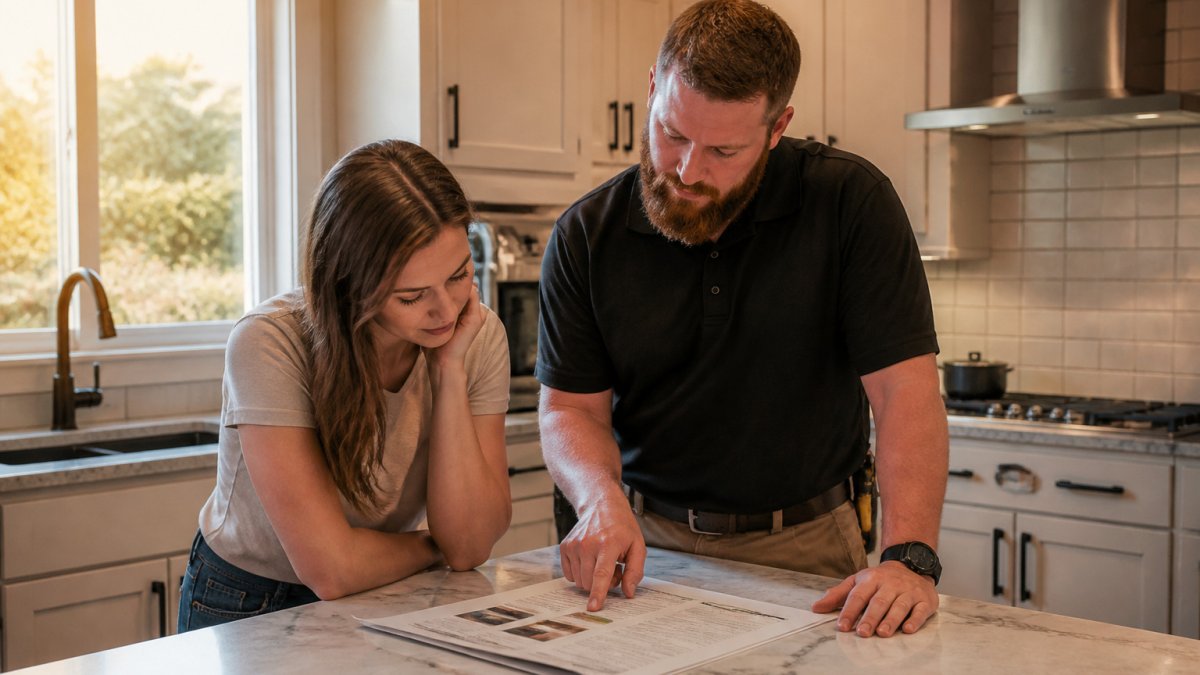
Read the full report from start to finish before you decide anything. The first read is often stressful, because the page is full of photos and findings. Try to read it as a whole, not as a list of scary words.
Keep a notepad nearby and write down three things:
- Questions you have about any finding
- Items that seem most serious
- Anything you want to check again on a second read
Give yourself a day if you can. Many buyers make better choices after they have slept on it. A calm second read is much easier to act on than a panicked first one.
Each group of findings calls for a different response, so keep them separate as you work through the report.
| Item | Action | Timing |
|---|---|---|
| Safety hazards | Items that can hurt people; needs prompt attention | Address first |
| Major defects | Big-system problems that can cost thousands | Plan and get estimates |
| Maintenance items | Routine fixes such as loose handrails or worn caulk | Schedule over the year |
Step 2: Sort Safety Hazards, Major Defects, and Maintenance Items
Not every item in the report carries the same weight. A useful report separates findings into three groups, and you should do the same.
- Safety hazards: Items that can hurt people, such as exposed electrical wiring or a gas leak risk. These need prompt attention.
- Major defects: Problems with big systems, such as a failing roof, foundation cracks that are moving, or a heating system near the end of its life. These can cost thousands of dollars.
- Maintenance items: Routine fixes, such as a loose handrail, worn caulk, or a dripping faucet. These are normal for most homes.
If the report does not make these groups clear, sort them yourself. Ask your inspector to walk you through anything that is still unclear. Findings such as a dead tree branch belong in the safety group when they could fall on people or property.
Some findings may need a closer look from a specialist. Cracks in the concrete foundation are a common example, and the page explains how to tell which ones are serious. For example, if the report mentions a possible electrical or structural problem, a licensed contractor can give you a repair estimate. Keep these items on a separate list.
Step 3: Use an AI Tool to Break Down the Findings
Once you have the report, download it and upload it into an AI tool such as Grok, ChatGPT, or Claude. These tools can help you turn a long report into plain language.
Ask the tool to:
- Summarize the findings by safety hazard, major defect, and maintenance item
- Explain technical terms in simple words
- List questions to ask your inspector or contractor
- Suggest a rough order for handling the items
Treat the AI output as a starting point, not the final word. Check its summary against the original report, and do not rely on it for cost figures. For a walk-through of the findings, schedule a short follow-up call with Integrity Inspection Service. You can book a time that works for you using our Calendly link.
Step 4: Get Repair Estimates From Licensed Professionals and Plan the Budget
A finding in the report tells you what is wrong. It does not tell you what the fix will cost. For that, you need estimates from licensed professionals who work in each trade.
Tennessee requires home inspectors to be licensed, and you can verify a license at verify.tn.gov. Licensed contractors in the trades the report flags should give you written estimates. Get at least two or three quotes for any major item.
When you build your budget, put the items in order:
- Must fix now: Safety hazards and anything that could get worse fast
- Should fix soon: Major defects that will cost more if you wait
- Can wait: Routine maintenance you can schedule over the next year
Step 5: Negotiate Repairs or Credits With the Seller
Once you know the likely costs, you can ask the seller to address them. This is where a clear, prioritized report earns its keep. You are not asking the seller to fix everything. You are asking them to solve the problems that affect safety, major systems, or your ability to afford the home.
Ask your real estate agent to help you draft the request in writing, and attach the relevant pages of the report so the seller sees the basis for each item.
Keep the ask short and defensible. Lead with safety hazards and major defects. Be willing to let minor maintenance items go.
What if the contract says the home is sold "as-is"?
Read your purchase agreement carefully, and ask your agent or a real estate attorney to explain how its terms apply to your specific contract.
What if the seller refuses to fix anything?
When you are ready to talk through the findings and build your request, book a short follow-up call. We will walk through the report with you and help you separate the items worth negotiating from the ones you can plan for later. You can get a quote online for any future inspection.
Step 6: Know When to Walk Away From a Home Purchase
Sometimes the right move is to walk away. A bad inspection does not always mean you should, but some findings are a clear sign to stop. The hard part is rarely the report. It is the money and emotion you have already invested in the deal.
The sunk cost trap
A simple framework helps:
- Write down the total repair cost for safety hazards and major defects, using contractor estimates where you have them.
- Add that number to the purchase price. That is your real cost of ownership.
- Ask whether you would still buy the home at that total. If the answer is no, the deal has changed, and you should treat it as a new decision.
- Separate the emotional attachment from the financial reality. It is normal to feel attached. It is not a reason to ignore a foundation problem.
Know your contingency deadline and your remedies
The contingency language in your contract controls what you can do and by when. In Tennessee, that language is legally binding. Ask your agent or a real estate attorney to explain your specific remedies before the deadline, not after. Our page on seller inspections explains how they differ from the buyer inspection you are reviewing. Some contracts require written notice of termination; some require you to deliver the report or a written request. Missing the deadline can cost you your deposit or your right to terminate.
Clear signs it may be time to walk
If you are weighing a difficult report and want a plain-language walk-through, book a short follow-up call. We will help you understand what matters most so you can make the call that is right for you. You can get a quote online for any future inspection.
Booking Your Follow-Up Call Before the Contingency Deadline
On the call, bring your report, your list of questions, and your AI summary. We will walk through the findings with you, explain what matters most, and help you decide what to ask for. You can schedule that call through our Calendly link, and you can get a quote online for any future inspection.
A clear report and a plan can help you decide whether to negotiate, plan, or walk away.
Frequently Asked Questions
What happens if a home inspection comes back poor?
A poor inspection does not automatically end the purchase. Start by reading the full report and separating safety hazards and major defects from routine maintenance items. Then use the findings to decide what questions to ask and what next steps make sense. Review your purchase agreement and consult your agent or attorney about its terms.
Can I back out of a home purchase based on inspection results?
Your options depend on the terms of your purchase agreement. Ask your agent or a real estate attorney to explain the applicable terms and deadlines.
How do I prioritize repairs found in a home inspection?
Rank findings in three tiers: safety hazards first, then major defects, and finally routine maintenance items. An AI tool can help you build this list, but check its output against the report.