 how-to
How to Read a Home Inspection: What Inspectors Check
Last Updated: November 2, 2026
Quick Summary
A home inspection is a visual, non-invasive review of a home's major systems and structure. Inspectors check the roof, drainage, foundation, plumbing, electrical, heating and cooling, attic, interior, and safety items. The result is a prioritized report that helps you decide what to negotiate, plan for, or walk away from.
- Inspectors check the roof, foundation, plumbing, electrical, HVAC, attic, and interior.
- A standard home inspection takes about 3 to 4 hours.
- Reports sort findings into safety hazards, major defects, and routine maintenance.
- A standard inspection does not cover radon, mold, water quality, or sewer lines.
- Tennessee home inspectors must hold a current license, which you can verify online.
Table of Contents
- Why a Home Inspection Matters Before You Commit
- What a Home Inspector Checks, System by System
- Home Inspection Checklist for Buyers: What to Prepare
- What Is Not Included in a Home Inspection
- How Long a Home Inspection Takes and Why It Matters
- Reading a Home Inspection Report: Examples and Priorities
- Booking Your Knoxville Home Inspection With Integrity Inspection Service
- Frequently Asked Questions
Why a Home Inspection Matters Before You Commit
Buying a home is one of the biggest financial decisions most people make. Once you sign, many problems become your problem.
Integrity Inspection Service is an independent, locally owned home inspection company serving Knoxville and the surrounding East Tennessee counties. We work for you, not for any real estate agent, and our job is to give you an objective report you can use to make a decision.
What a Home Inspector Checks, System by System
A home inspection is a visual, non-invasive review of the home's major systems and structure. The inspector looks at what is accessible and tests what can be safely operated, identifying safety hazards, major defects, and maintenance items so you can decide what to negotiate, plan for, or walk away from.

Inspectors generally review the exterior, roof, structure, foundation, plumbing, electrical, heating and cooling, attic, and interior. Here is what that looks like in practice.
Roof, Drainage and Exterior Siding
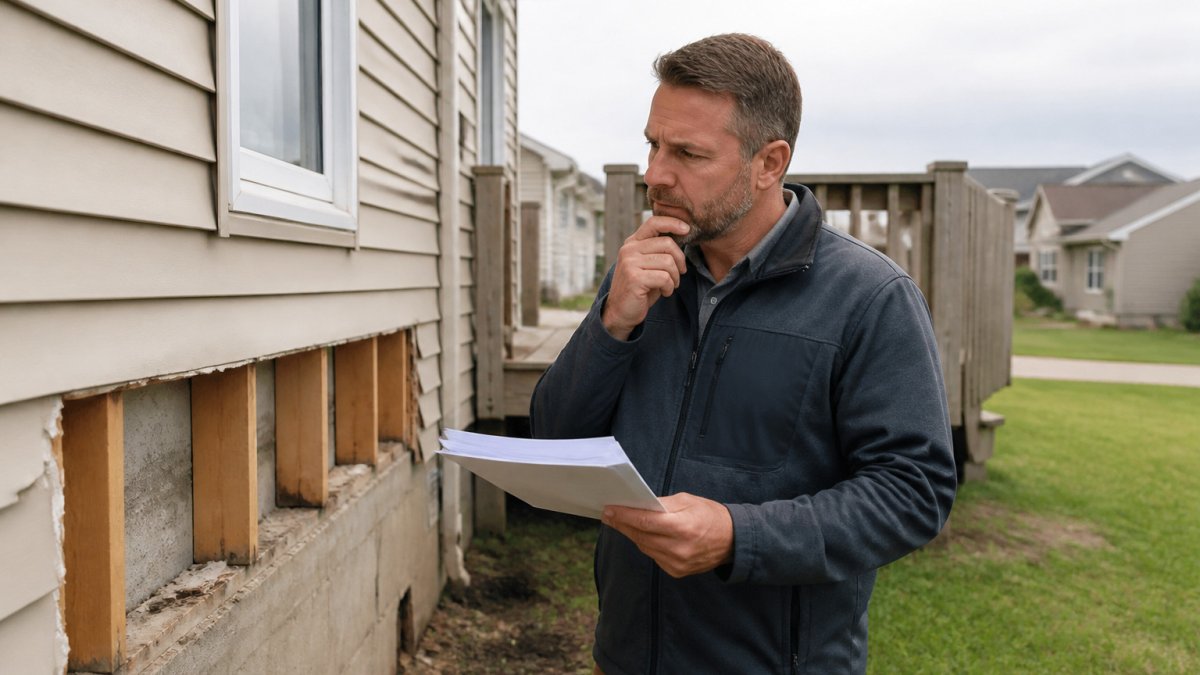
The roof, gutters, grading, and siding protect the home from water, one of the most common causes of long-term damage. Inspectors pay close attention to how water moves around the house, and where it stays.
Inspectors typically check:
- Roof covering condition, including missing, cracked, lifting, or curling shingles
- Flashing at chimneys, valleys, and penetrations, where leaks often start
- Gutters and downspouts, and whether water is directed away from the foundation
Gutters that discharge right at the foundation, or soil that has settled back toward the house, are findings to watch. Our attic and ventilation problems guide shows what these issues look like from above and why they matter.
Foundation, Crawl Space and Structural Components
The foundation and framing hold the home up. In East Tennessee, many homes have crawl spaces, where humidity and poor ventilation can cause moisture problems.
Inspectors commonly review: crawl space conditions and how they connect to the rest of the house.
- Visible foundation walls for cracks, bowing, or movement
- Crawl space conditions, including standing water, vapor barriers, and insulation
- Floor framing, joists, beams, and support posts
Not every crack signals a serious problem. Our guide to foundation cracks and what they may signal explains the patterns inspectors compare.
Plumbing, Electrical, HVAC and Attic Ventilation
These systems keep the home running day to day. Inspectors test what is safe to operate and look for signs of wear or unsafe conditions.
- Plumbing: Water supply and drain lines, visible leaks, water heater condition and age, and fixtures.
- Electrical: Service panel, visible wiring, outlets, switches, and signs of overloading or improper installation. Some findings, such as double-tapped breakers or wiring added without permits, are worth having an electrician review before you close. Our guide to hidden electrical hazards in the home explains what inspectors look for and why it matters.
- HVAC: Heating and cooling equipment operation, visible condition, and accessible ductwork.
Interior, Windows and Doors
The interior tells you how the home has lived. Inspectors check walls, ceilings, and floors for signs of moisture, movement, or past repairs, and operate windows and doors to confirm they function.
Findings may include:
- Water staining on ceilings or around windows, which can point to a roof or flashing issue
- Cracks at drywall seams or above door frames, which may be cosmetic or may track with foundation movement
- Windows that are painted shut, have broken seals (fogging between panes), or lack safety glass where required
None of these is automatically a deal-breaker. What matters is the pattern, since a single stain is different from staining across multiple rooms.
Health and Safety Items
Some findings matter more because they affect people, not just the house. Inspectors look for:
- Missing or non-functioning smoke and carbon monoxide alarms
- Handrail and guardrail issues on stairs and decks
- Gas appliance connections and signs of backdrafting at the water heater or furnace
If you want to know what a specific home in Knoxville or the surrounding counties will need, the easiest way to get started is to get a quote online.
The article breaks the inspection into system areas, and the table below summarises what inspectors typically check in each.
| Area | What inspectors check | Common finding to watch |
|---|---|---|
| Roof, drainage and siding | Shingles, flashing, gutters, grading, siding | Gutters discharging at the foundation |
| Foundation and crawl space | Walls, crawl space conditions, framing | Standing water or missing vapor barrier |
| Plumbing | Supply and drain lines, water heater, fixtures | Visible leaks, water heater age |
| Electrical | Service panel, wiring, outlets, switches | Double-tapped breakers, unpermitted wiring |
| HVAC and attic | Equipment operation, ductwork, insulation, ventilation | Poor airflow trapping heat and moisture |
| Interior, windows and doors | Walls, ceilings, windows, doors | Water staining across multiple rooms |
Home Inspection Checklist for Buyers: What to Prepare
A little preparation helps you get the most from your inspection. Use this checklist before the inspector arrives:
- Confirm the inspection date and time, and make sure the utilities are on
- Make sure the inspector can access the attic, crawl space, electrical panel, and water heater
- Clear access routes to exterior areas, including the yard and any outbuildings
Many buyers ask whether they should attend the full inspection. We encourage clients to join for the summary instead. Buyers on site can slow the process and make it harder to stay thorough. Meeting at the end lets us walk through the findings with the complete picture in place.
What Is Not Included in a Home Inspection
A standard home inspection is visual and non-invasive. It does not cover everything, and knowing the limits helps you plan the next steps.
A standard inspection generally does not include:
- Hidden areas that are blocked or inaccessible, such as inside walls or behind finished ceilings
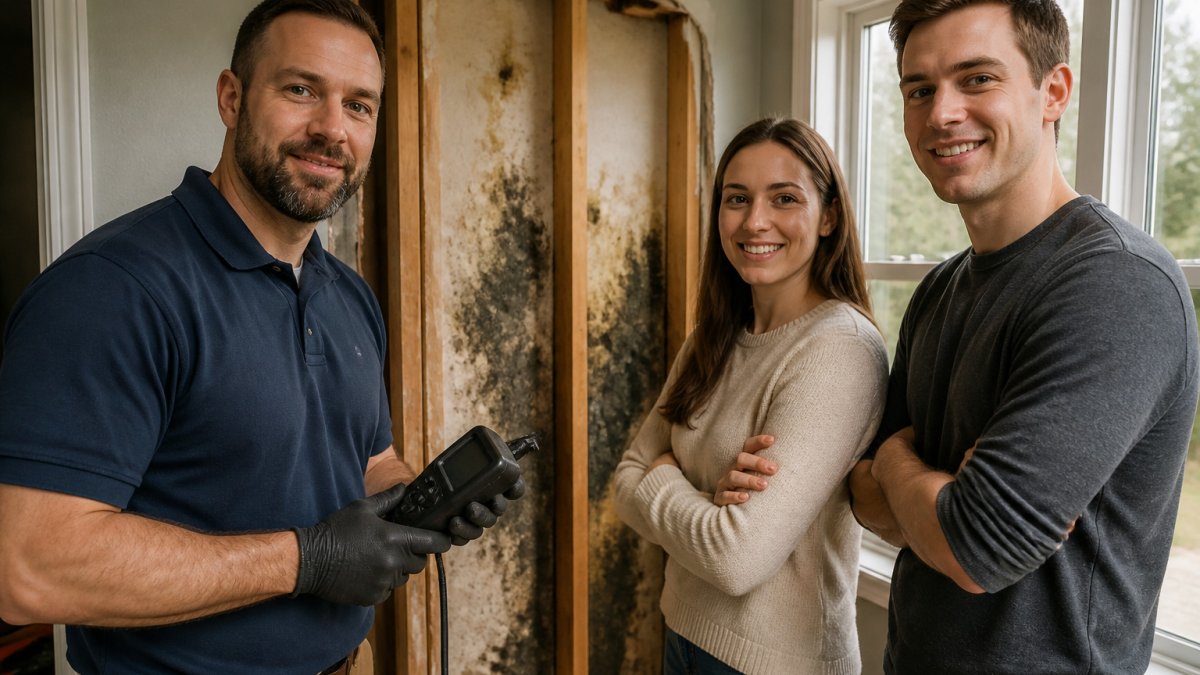
- Testing for radon, mold, or water quality, which require separate testing
- Sewer line condition, which often needs a specialized scope
A clean general inspection does not mean specialized testing is unnecessary. If the inspector recommends further evaluation, or if you have a specific concern, consider scheduling additional services. We offer radon testing as an add-on, which is especially useful when timing matters during a real estate transaction.
How Long a Home Inspection Takes and Why It Matters
A standard home inspection takes about 3 to 4 hours. A thorough review takes time. Larger homes, crawl spaces, and properties with significant issues take longer, and the inspector will tell you directly if that applies.
Time matters because rushed inspections can miss details. Tennessee standards do not require inspectors to report every minor item.
Tennessee is a licensed state, and every home inspector must hold a current license (tn.gov). You can verify a license at verify.tn.gov.
Report timing is worth planning for. We aim to deliver most reports the same day or the next day.
Reading a Home Inspection Report: Examples and Priorities
A useful report is a prioritized punch list, not a novel. It should sort findings into three groups: safety hazards, major defects, and routine maintenance items. Here is how to read yours so it helps you decide.
The Three Buckets, With Examples
Safety hazards are items that create immediate risk to people. Examples include exposed wiring at a panel, a gas smell near an appliance, missing smoke alarms, or a handrail that will not hold weight.
Major defects are problems that affect the structure or core systems and are likely to be expensive.
Routine maintenance is everything else: caulking that has shrunk, gutters full of shingles, a worn filter, a downspout that discharges too close to the foundation.
How to Tell Which Bucket a Finding Belongs In
A finding is a safety hazard if it could hurt someone today. It is a major defect if it is likely to cost real money within the next year or two, or if it affects the structure or a core system. Everything else is maintenance.
A few practical tests:
- Does it affect people or just the house? Safety first.
- Is it active or historic? A stain with no moisture is different from a stain that is damp today.
- Is it one item or a pattern? A single cracked tile is cosmetic; cracks across multiple rooms can track with foundation movement.
What to Do With Each Bucket
- Safety hazards: Ask for them to be corrected before closing, or budget to correct them yourself on day one. Do not let these slide.
- Major defects: Get a bid from a licensed contractor in that trade so you know the real number, then decide whether to negotiate, plan, or walk away. A bid is information; it is not a repair commitment.
- Routine maintenance: Put them on a list for the first six months. They are not reasons to renegotiate, but they are reasons to set aside time and money.
Using the Report in the Transaction
The report is a decision-making tool, not a sales pitch. We do not perform repairs or quote repair work, so the report stays objective, but that also means you will need your own bids for anything major.
Focus negotiation on safety hazards and major defects, not the full list. Sellers expect maintenance items; they do not expect to fix everything.
Getting More Out of the Report
Once you have the report, download it and consider uploading it into an AI tool such as Grok, ChatGPT, or Claude to help break down findings, prioritize items, and identify questions. After that, schedule a short follow-up call with us using the Calendly link we provide, at a time that works for you.
If you are getting ready to buy or sell in Knoxville or the surrounding counties, the easiest way to get started is to get a quote online.
Booking Your Knoxville Home Inspection With Integrity Inspection Service
A home inspection is one of the most practical protections you have as a buyer or seller.
Integrity Inspection Service serves Knoxville and Knox County, and we regularly inspect homes in Blount, Anderson, Loudon, Sevier, Jefferson, and Union counties.
The easiest way to get started is to get a quote online. Pricing is seasonally adjusted, and final cost depends on the home's age, square footage, location, and any additional services.
Frequently Asked Questions
What does a standard home inspection include?
A standard home inspection is a visual, non-invasive review of the home's major systems and structure. The inspector checks the roof, exterior siding, grading and drainage, foundation, visible framing, plumbing, electrical components, heating and cooling equipment, attic insulation and ventilation, and interior walls, ceilings and floors. Findings are recorded in a written report with photos where relevant. The inspection covers what can be seen and operated safely at the time of the visit, so buyers should review what falls outside that scope before closing.
What is not included in a home inspection?
A standard home inspection does not include specialized testing or anything that requires dismantling parts of the home. Radon testing, mold assessments, sewer scopes and termite or wood-destroying insect letters are separate services and are usually added on. Inspectors also cannot evaluate areas they cannot safely access, such as hidden wall cavities or sealed spaces. Buyers who want those areas evaluated should ask about add-on services before the inspection date.
How long does a home inspection take?
A standard single-family home inspection typically takes 3 to 4 hours. Larger homes, crawl spaces and properties with significant issues take longer, and the inspector will communicate that directly. Rushing a home inspection can cause findings to be missed. Buyers should expect the inspector to take the time needed to check each system, and the report is usually delivered the same day or the next business day.
Should buyers attend the home inspection?
Buyers are encouraged to join for the summary at the end of the inspection rather than attend the full walkthrough. Having buyers on site can slow the process and make it harder for the inspector to stay thorough. Meeting at the end lets the inspector walk through the findings once every system has been checked, so the full picture is clear. Buyers can then ask questions and decide on next steps with complete information.