 how-to
What's the Biggest Red Flag in a Home Inspection?
Table of Contents
- The Biggest Red Flag Isn't Always What You Think
- Foundation Cracks and Structural Issues: When to Walk Away
- Water Damage and Moisture Intrusion: The Silent Threat
- Electrical Problems and Outdated Wiring: Safety First
- Home Inspection Red Flags: How to Spot What Actually Matters
- Understanding Your Home Inspection Report Explained
- Home Inspection Deal Breakers: When to Renegotiate or Withdraw
- How to Negotiate After a Home Inspection
- Frequently Asked Questions
Last Updated: October 18, 2026
The Biggest Red Flag Isn't Always What You Think
When you're buying a home, you want to know what could go wrong. A home inspection report can feel overwhelming: pages of findings, technical terms, and items marked as defects.
At Integrity Inspection Service, we've spent over 20 years helping Knoxville-area buyers understand what they're looking at. The biggest red flag in a home inspection isn't always the most obvious one.
Foundation Cracks and Structural Issues: When to Walk Away
Foundation problems are the most serious red flag you can find. Your foundation is literally what holds the house up.
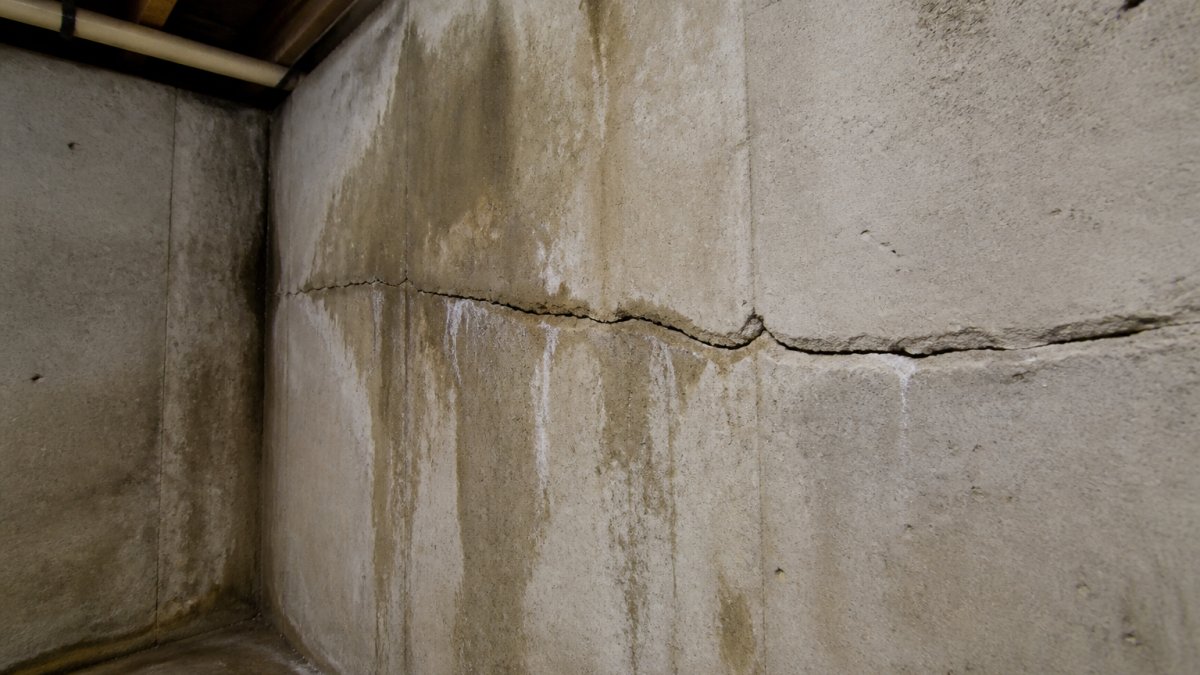
Not all cracks are equal. A thin hairline crack in concrete is normal; homes settle.
Look for these warning signs:
- Cracks wider than 1/4 inch
- Horizontal or stair-step crack patterns
- Cracks that are still growing (compare to previous inspections if available)
In East Tennessee, foundation issues often stem from poor drainage and soil movement. Our humid climate and clay-heavy soil shift seasonally.
Water Damage and Moisture Intrusion: The Silent Threat
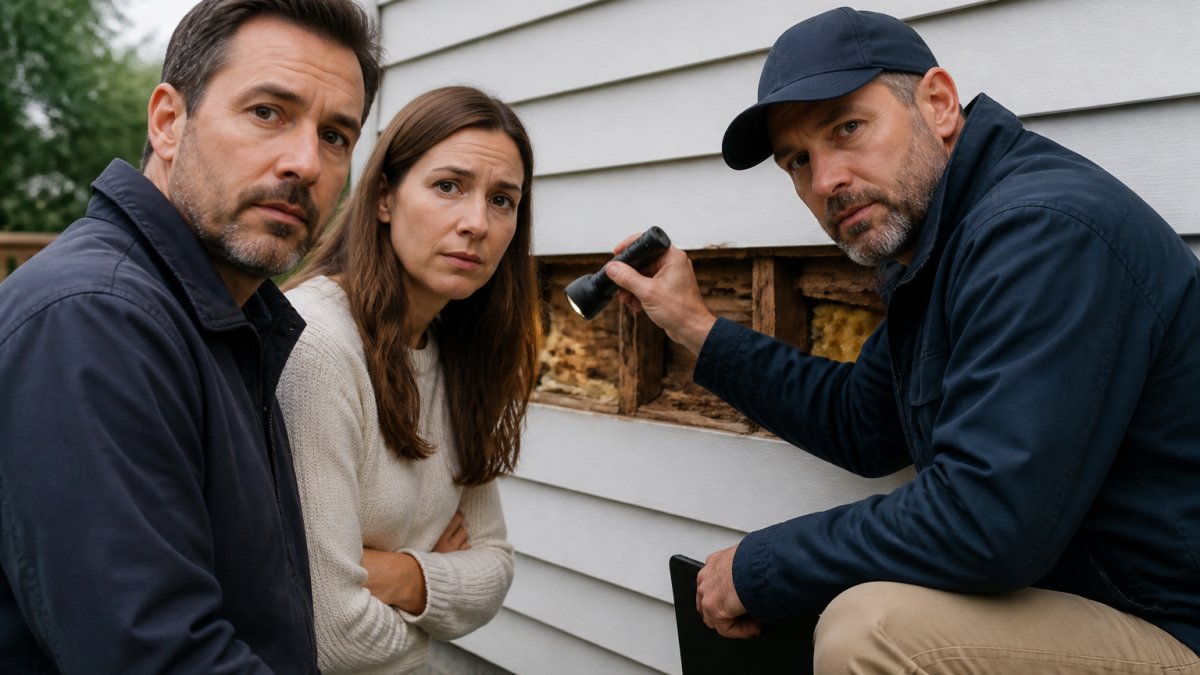
Water damage is often the second biggest red flag home inspection uncovers, and it keeps getting worse if you ignore it. Water finds its way into wood, insulation, and wall cavities where you can't see it.
Common signs of water damage include:
- Stains on ceilings or walls (brown, yellow, or dark spots)
- Soft or spongy wood around windows, doors, or baseboards
- Peeling paint or bubbling drywall
The source matters. A roof leak is fixable. Poor grading that directs water toward the foundation is a bigger problem because it's systemic.
Electrical Problems and Outdated Wiring: Safety First
Old or faulty electrical work is a safety hazard. Outdated wiring, missing ground wires, and improper connections can cause fires. Never ignore the inspector's findings here.
Red flags for electrical problems:
- Knob and tube wiring (outdated, unsafe, often not insurable)
- Aluminum wiring (can overheat and cause fires)
- Reversed polarity (wires installed backward)
Older area homes sometimes still have original 1950s or 1960s wiring. If the inspector flags serious electrical defects, have a licensed electrician evaluate the work. Rewiring is expensive, but it's non-negotiable for safety.
Home Inspection Red Flags: How to Spot What Actually Matters
Not every finding in an inspection report is a deal-breaker. The key is learning to sort findings by severity. Your inspection report should help you do this.
Roof wear and damage
Your roof protects everything underneath. Roof damage matters because it leads to water intrusion and structural rot. Look for:
- Missing or damaged shingles
- Curling or buckling shingles
- Visible wear patterns or bald spots
A roof at the end of its life will need replacement soon, a major expense. If the inspector finds active leaks, damage may already be spreading inside. Get a roofing specialist to assess condition and give you a replacement timeline.
Plumbing defects and leaks
Plumbing issues range from minor to serious. A slow drip under the sink is annoying; a leak in the main water or sewage line is a major problem.
Watch for:
- Active leaks under sinks or around water heaters
- Water stains on ceilings or walls below bathrooms
- Slow drains or backups in multiple fixtures
Galvanized steel pipes, common in older homes, corrode over time. Copper is better, but even copper can develop pinhole leaks. Widespread corrosion may mean the plumbing system needs replacement, a significant cost.
Mold and pest damage
Mold grows where moisture is present. It's a red flag because it signals a moisture problem, not just a surface issue. Termite damage is serious because it compromises wood structure.
Mold signs:
- Visible mold growth (black, green, or white spots)
- Musty odors
- History of water damage or leaks
Termite signs:
- Hollow-sounding wood
- Mud tubes on foundation walls
- Visible insect damage or droppings
If the inspector suspects significant mold, especially where remediation might be needed, an industrial hygienist can develop a formal scope of repair.
Understanding Your Home Inspection Report Explained
A long report can make a sound house feel like a disaster. That anxiety is usually a sorting problem, not a house problem. A useful report is a prioritized punch list, not a novel. Your job is to separate the few findings that change your decision from the many that just describe an older home doing normal older-home things.
Tier 1: Safety hazards
These affect health or safety right now: exposed or improperly connected wiring, a cracked heat exchanger, missing ground-fault protection near water, a gas smell or improper venting, blocked combustion air, or a deck ledger pulling away from the house. Tier 1 items are not negotiation chips. They need a licensed specialist to evaluate and a clear plan before you move in.
Tier 2: Major defects and systems near failure
These are expensive or systemic: active roof leaks, foundation movement, a failing sewer line, widespread plumbing corrosion, or an HVAC system at the end of its service life. They may not be dangerous today, but they change the math of the purchase. Get a real evaluation and a real number before you decide.
Tier 3: Routine maintenance and minor findings
These are the loose handrail, the missing outlet cover, the caulk line that needs refreshing, the downspout that dumps next to the foundation. Tennessee standards do not require inspectors to report minor items, and many skip them because they aren't required. We include relevant small findings because they add up and a complete picture helps you plan.
Normal wear versus a genuine red flag
A 25-year-old house will have a 25-year-old roof, older appliances, and some settling. That's wear, not a red flag. A red flag points to an active mechanism: water where it shouldn't be, movement that is still moving, heat where it shouldn't be, or a system that has already failed. Ask one question about every finding: is this describing age, or something currently happening?
Evidence-based severity indicators
You don't need to diagnose anything yourself. You need to recognize when a symptom deserves professional eyes. A hairline vertical crack in a block wall is usually cosmetic. A horizontal crack, a stair-step crack, or a crack that has widened since a prior inspection is a different conversation. A single ceiling stain might be an old roof repair; stains in multiple rooms, or staining that is soft to the touch, point to an active moisture path.
When you get your report, download it and upload it into an AI tool like ChatGPT, Grok, or Claude. Ask it to sort the findings into safety, major, and maintenance, and to list the questions you should ask a specialist. Then book a short follow-up call with your inspector to talk through the items you're most concerned about. The report is a tool for decision-making, not a verdict.
What a standard inspection can't see
A standard inspection is visual and non-invasive. Your inspector is not opening walls, scoping the sewer line, testing every circuit under load, or performing specialized environmental testing. If the report raises a question about structure, pests, sewer, roof condition, or indoor air, the next step is a specialist in that trade, not a guess.
Home Inspection Deal Breakers: When to Renegotiate or Withdraw
Some findings are deal-breakers. Others are negotiation points. Here's how to decide.
Walk away if you find:
- Active structural movement or foundation failure
- Severe water damage with ongoing moisture intrusion
- Extensive termite or pest damage
These issues are expensive, complicated, and often systemic. If the seller won't address them or reduce the price significantly, the risk isn't worth it.
Negotiate if you find:
- Roof nearing the end of its life but not actively leaking
- Minor plumbing leaks that are fixable
- Outdated but functional HVAC systems
These items cost money, but they're straightforward. Get quotes from contractors and use those numbers to negotiate the price down or ask the seller to make repairs before closing.
How to Negotiate After a Home Inspection
A serious finding does not automatically end a purchase. Most of the time it changes the conversation. Your inspection report is leverage, but only if you use it in the right order: evaluate first, then decide, then negotiate.
Step 1: Get the finding evaluated before you ask for anything
When the report flags a Tier 1 or Tier 2 item, the first move is a specialist evaluation, not a negotiation demand. A structural engineer, licensed electrician, roofer, or plumber can tell you what the issue is, how far it extends, and what it takes to correct it. That evaluation turns a scary sentence into a defined scope and protects you from negotiating over a problem that turns out smaller, or larger, than the report could show.
Step 2: Decide what outcome you actually want
There are three realistic paths after a serious finding:
- Proceed as-is. The issue is priced into the home, or you're comfortable taking it on. This is common with older homes where wear is expected.
- Renegotiate. You ask the seller to correct the item, reduce the price, or provide a credit at closing so you can handle it after closing with contractors of your choice.
- Walk away. The issue is systemic, the seller won't budge, or the risk outweighs the value. This is a legitimate outcome, not a failure.
Step 3: Use the inspection contingency correctly
Most purchase contracts include an inspection contingency giving you a window to investigate and respond. Read that clause carefully with your agent or attorney. It usually defines your deadline, what counts as a material defect, and what remedies you can request. Missing the deadline can cost you the right to renegotiate, so treat the window as a hard clock.
Step 4: Structure the ask clearly
A vague request gets a vague answer. When you ask the seller to address a finding, be specific about the item, the recommended correction, and whether you want the work done or a credit instead. If the seller makes repairs, ask for documentation that a licensed contractor did the work and that it was inspected.
Step 5: Don't let anyone rush you past a real red flag
Your agent works for you. If you're being pushed to ignore a serious finding, or told that a structural or electrical concern is 'no big deal,' that's your signal to slow down and get a second opinion. An independent inspector has no stake in whether the deal closes, and that independence is exactly what makes the report useful when the conversation gets tense.
The goal of negotiation isn't to win every line item. It's to make sure the price and the condition of the home match, so you can move forward with confidence or walk away without regret. Get a quote online from Integrity Inspection Service and start with an objective report you can actually use.
Frequently Asked Questions
What's the difference between a serious defect and routine maintenance?
A serious defect threatens safety, structural integrity, or will cost thousands to repair—think foundation movement, active water intrusion, or faulty electrical wiring. Routine maintenance is expected wear that keeps the home functioning: replacing an aging roof, updating HVAC filters, or caulking gaps. The home inspection report should distinguish between them. If you're unsure, upload the report into an AI tool like ChatGPT or Claude to help prioritize items by urgency and cost.
Should I be worried about foundation problems in a home inspection?
Foundation issues are serious and warrant close attention. Minor cracks from normal settling are common in older homes, but active cracks that are widening, horizontal cracks, or signs of water intrusion suggest structural movement. If the inspector flags foundation concerns, get a structural engineer's evaluation before proceeding. This is not a DIY assessment—professional input is essential to understand whether you're looking at cosmetic cracking or a genuine structural problem.
What should I do after receiving a home inspection report?
First, download the report and review the summary section, which should prioritize safety hazards, major defects, and maintenance items. Upload it into an AI tool to help break down findings, estimate repair priorities, and identify questions. Then schedule a short follow-up call with the inspector to clarify anything unclear. For serious issues, you may need specialist input—a structural engineer for foundation concerns, an industrial hygienist for mold remediation, or a plumber for major leaks. Use the report as your decision-making tool, not as a sales pitch.
How do I know if a home inspection finding is a deal breaker?
Deal breakers depend on your risk tolerance and budget. Active structural movement, significant water damage, major electrical hazards, or extensive mold typically are. A roof nearing the end of its life may not be. The key is understanding the cost and urgency of repair. If the estimated repair cost is more than you can absorb, or if the issue threatens safety, it becomes a deal breaker for you. Use the inspection report to inform your negotiation or your decision to walk away.
What areas do you serve?
We primarily inspect homes in Knoxville and Knox County. We also regularly cover the surrounding counties, including Blount, Anderson, Loudon, Sevier, Jefferson, and Union. If you’re unsure whether your property is in our regular service area, get a quote online and we’ll confirm.
How can I be confident the inspector is only working for me?
The most reliable way is to hire the inspector yourself. When an agent chooses or recommends the inspector, there can be pressure to soften findings so the deal stays on track or future referrals aren’t affected. Hiring your own inspector means they answer to you, not to the agent or the transaction.