 ultimate-guide
What Does Home Inspection Include: A Buyer's Guide
Table of Contents
- What a Home Inspection Includes
- Home Inspection Checklist: The Full Scope
- What Does a Home Inspection Not Include
- How Long Does a Home Inspection Take
- Understanding Your Home Inspection Report
- Why Inspection Standards and Inspector Qualifications Matter
- Next Steps: Schedule Your Inspection
- Frequently Asked Questions
Last Updated: October 19, 2026
What a Home Inspection Includes
A home inspection is a visual, non-invasive examination of a property's structure, systems, and components. The inspector evaluates the roof, foundation, HVAC, electrical, plumbing, and interior and exterior condition to give you a clear picture of what you're buying.
When you're about to invest hundreds of thousands of dollars in a home, you need facts, not assumptions.
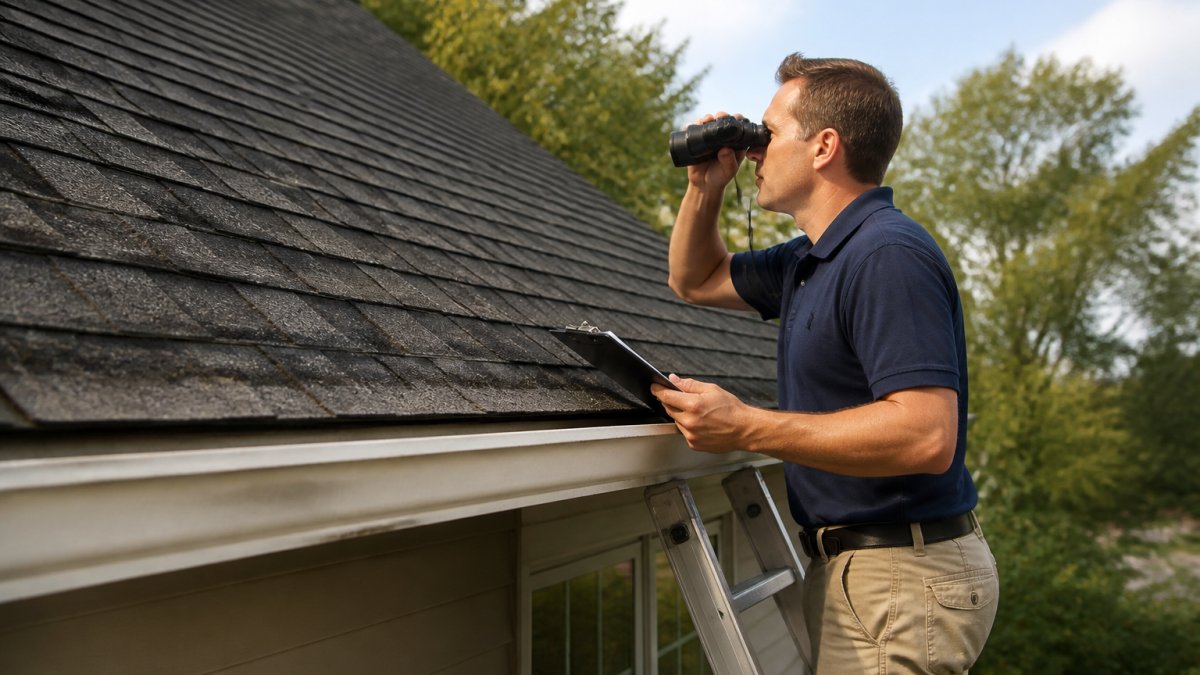
A standard home inspection takes 3 to 4 hours for most single-family homes. That duration reflects thoroughness, many inspectors finish in just a few hours, rushing systems that deserve careful attention.
We encourage you to join us for the summary at the end rather than follow along during the full inspection.
Structural Systems and Foundation
The foundation is the home's literal support. We examine it for cracks, settlement, moisture intrusion, and structural integrity. In East Tennessee, where humidity and drainage issues are common, foundation condition often reveals how well the home has been maintained.
We check basement or crawl space conditions for standing water, dampness, pest activity, and structural movement. Visible cracks, gaps between foundation and framing, or uneven floors can indicate problems that need professional evaluation.
Interior framing, floor systems, and load-bearing walls are visually assessed for damage, pest activity, or previous repairs, evidence of water damage, rot, or structural compromise.
Roof, Exterior, and Weatherproofing
The roof is your home's first line of defense against weather. We examine roofing materials for age, condition, missing pieces, and visible damage, and check flashing around chimneys, vents, and skylights, common leak points. Gutters and downspouts are assessed for function and drainage direction.
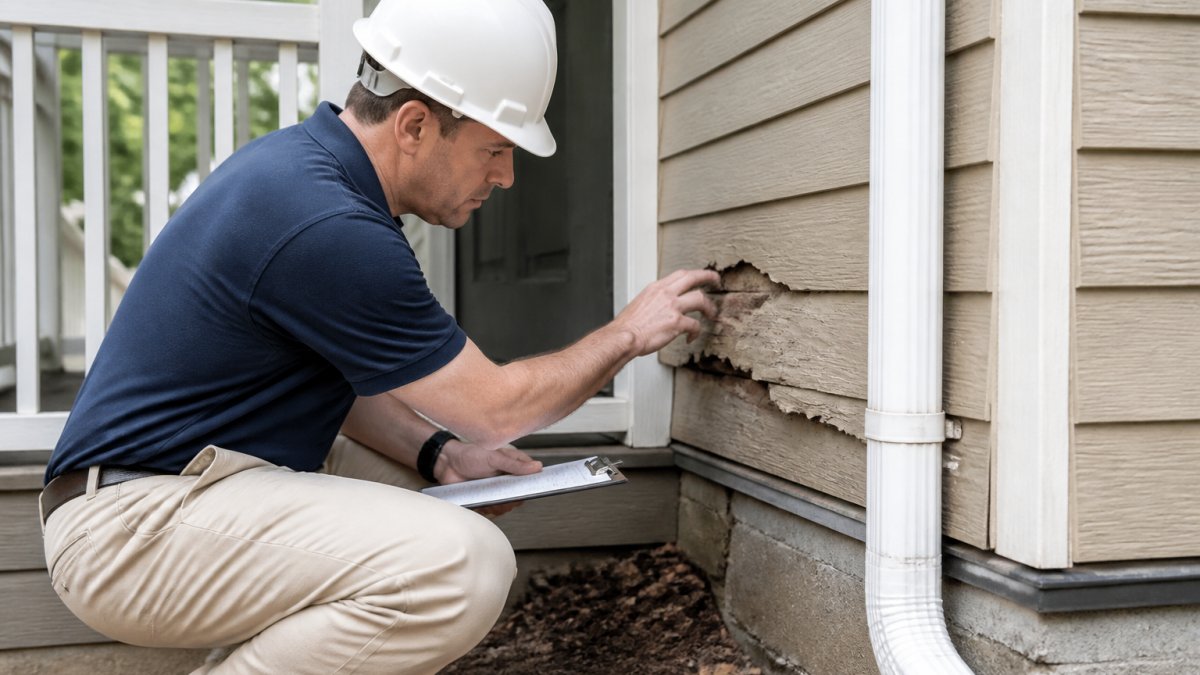
Exterior walls, siding, brick, and trim are inspected for damage, deterioration, and weatherproofing. We check windows and doors for operation, sealing, and water infiltration, and decks, porches, and walkways for structural soundness and safety hazards.
Grading and drainage around the foundation are critical, water should slope away from the home, not toward it. Poor grading can lead to foundation moisture problems and basement leaks.
Interior Condition and Components
Inside, we evaluate walls and ceilings for cracks, water stains, or past leaks, and check flooring for damage, unevenness, and structural soundness. Doors and windows are tested for operation, with any broken hardware or seals noted.
Kitchens and bathrooms receive detailed attention. Cabinets, countertops, and fixtures are assessed for condition and function, and we check for water damage around sinks and toilets, problem areas in many homes.
We document interior components not because cosmetic wear requires repair, but because it gives you a complete picture of the home's maintenance level and potential hidden issues. A kitchen with deferred maintenance often signals broader patterns throughout the home.
Major Systems: Heating, Cooling, Electrical, and Plumbing
The HVAC system is tested for operation and assessed for age and condition. We check furnaces, air conditioners, heat pumps, and ductwork for improper installation, maintenance issues, or age-related wear.
The electrical system is visually inspected for safety hazards, proper grounding, and code concerns.
The plumbing system is tested for operation and assessed for leaks, corrosion, or damage. We check water pressure, hot water availability, and drainage, and look for signs of past leaks.
Water heater condition, type, and age are documented, including leaks, venting, and signs of rust or deterioration. A water heater nearing the end of its life is useful for your planning.
Home Inspection Checklist: The Full Scope
A thorough home inspection covers these major areas. This checklist reflects what's included in a standard visual inspection:
| System or Component | What We Examine | What This Tells You |
|---|---|---|
| Foundation & Structure | Cracks, settlement, water intrusion, framing condition | Whether the home's skeleton is sound |
| Roof & Exterior | Shingles, flashing, gutters, siding, windows, doors | How well the home is protected from weather |
| Attic & Ventilation | Insulation, ventilation, roof structure, signs of leaks | Energy efficiency and moisture management |
| HVAC System | Furnace, AC, heat pump, ductwork, thermostat | Heating and cooling capacity and condition |
| Electrical System | Panel, wiring, outlets, switches, grounding | Safety and code compliance |
| Plumbing System | Water pressure, fixtures, drains, water heater | Water supply and drainage function |
| Interior | Walls, ceilings, floors, doors, windows | Overall condition and maintenance level |
| Appliances | Stove, dishwasher, disposal, washer/dryer hookups | Functionality of built-in systems |
This checklist represents what's included in a standard home inspection. Depth depends on the home's age, condition, and accessibility, older homes or homes with visible issues often require more detailed examination and take longer.
What Does a Home Inspection Not Include
Understanding what's excluded is just as important as knowing what's covered. A standard visual inspection has clear limits.
Specialized Testing and Assessments
Radon testing is not automatically included in a standard inspection.
Mold assessment is not part of a standard inspection. We can note visible mold or conditions that favor mold growth, but a comprehensive assessment requires specialized testing and air sampling.
Water quality testing (well water or municipal supply) is not included. If the home uses a well, separate testing is recommended (the EPA).
Pest and termite inspections are separate services. We note visible signs of pest activity, but a formal WDI (Wood Destroying Insect) letter requires a licensed pest inspector.
Items Outside the Scope
We don't pull up carpets, move furniture, or remove trim to inspect hidden areas. The inspection is visual and non-invasive.
We do not inspect items that are not part of the home's structure or systems. Detached garages, sheds, pools, and hot tubs may be noted but are typically outside the standard inspection scope.
We do not perform or estimate repair work. We document conditions clearly and explain what we find, but we don't quote repair costs or recommend specific contractors.
We do not inspect items that require specialized licensing or expertise. Septic systems, wells, pools, and HVAC systems may require separate specialist inspections depending on the findings or your concerns.
How Long Does a Home Inspection Take
A standard home inspection takes 3 to 4 hours for a typical single-family home. Larger homes, properties with basements or crawl spaces, or homes with visible issues often take longer, and the inspector will communicate if additional time is needed.
The duration matters because it's a sign of thoroughness. An inspection completed in 1 to 2 hours suggests corners are being cut. We build time into our schedule to do the job right.
After the inspection, we meet with you to review findings, answer questions, and help you understand what comes next. This summary typically takes 30 to 45 minutes.
Understanding Your Home Inspection Report
Your inspection report is a tool for decision-making. It should be clear, organized, and actionable, not a novel that requires a translator.
How the Report is Organized
A well-organized report groups findings by system or area, foundation, roof, HVAC, electrical, plumbing, interior, and distinguishes safety hazards, major defects that affect function or durability, and routine maintenance items. That hierarchy helps you prioritize what matters most.
Findings should include clear descriptions of the condition, photos when relevant, and recommendations for next steps. Vague language like "further evaluation needed" without explanation isn't helpful, you deserve clarity about what was found and what it means.
The report should be downloadable and easy to share.
What Happens After You Receive the Report
After you have the report, schedule a short follow-up call if you need clarification. We provide a Calendly link so you can book a time that works for you.
If you're buying, use the report to inform your negotiation with the seller.
If you're selling, a pre-listing inspection can help you address issues before showing the home, so you know the property's condition and can move forward with confidence.
Once you understand the findings, you can decide what repairs are necessary, what can wait, and what you're comfortable living with. The inspection doesn't make the decision for you, it gives you the information to make it yourself.
Why Inspection Standards and Inspector Qualifications Matter
Tennessee is a licensed state. Every home inspector must hold a current license issued by the Tennessee Department of Commerce and Insurance. Licenses can be verified at verify.tn.gov.
Licensing ensures inspectors meet education and training standards. In Tennessee, inspectors must complete approved coursework, pass an examination, and maintain continuing education, and they can be disciplined for violations.
Many inspectors hold additional certifications, such as InterNACHI (International Association of Certified Home Inspectors) membership. Certifications don't guarantee quality, but they're a sign that an inspector takes the profession seriously.
Ask your inspector about their experience, training, and certifications. How long have they been inspecting homes? What's their background?
Next Steps: Schedule Your Inspection
You now understand what a home inspection covers, what it doesn't, and why it matters. The next step is straightforward: get a quote online and schedule your inspection.
When you contact us, we'll ask about the home's age, size, location, and any specific concerns.
Buying a home is a major decision. You deserve an honest, thorough inspection from an inspector who works for you, not for an agent, not for the seller, but for you.
Buying a home is one of the biggest decisions you'll make, and hidden defects can turn into expensive surprises after closing.
Frequently Asked Questions
What does a home inspection include?
A home inspection covers the visible, accessible components of a property's major systems and structure. This includes the roof, exterior, foundation, attic, HVAC system, electrical wiring, plumbing, interior walls and ceilings, floors, windows, doors, and decks. The inspector performs a visual, non-invasive evaluation and documents findings in a detailed report with photos. What it does not include are invasive tests like radon, mold sampling, or sewer scopes, which are typically added separately if needed.
Should I attend the home inspection?
We encourage buyers to skip the full inspection and join for the summary at the end. Homes are like jigsaw puzzles, and the full picture is clearer once every system has been checked. If you're on site during the inspection, it can slow the process and make it harder to stay thorough. Meeting at the end lets us walk through the findings with the complete picture already in place. You'll get a more comprehensive understanding of the property's condition.
What does a home inspection not include?
A standard home inspection does not include radon testing, mold sampling, pest or termite inspections, sewer scopes, pool or spa inspections, or structural engineering assessments. It also does not evaluate code compliance, estimate repair costs, or identify cosmetic issues. The inspection is visual and non-invasive, so it does not involve opening walls, moving insulation, or accessing areas that would require dismantling. Specialized testing can be added when needed to answer specific concerns.
How long does a home inspection take?
A standard home inspection takes 3 to 4 hours for a typical single-family home. Larger homes, properties with crawl spaces, or homes with significant issues may take longer, and the inspector will communicate that directly. The thoroughness of the inspection is a key differentiator; many inspectors finish a house in just a few hours, but a comprehensive evaluation takes time to check every system and document findings accurately.
When should I order specialized inspections like radon testing?
Radon testing is most valuable when timing matters, such as during a real estate transaction. If you already own the property and have time, the Tennessee Radon Program provides free charcoal canister test kits. For mold concerns, a general assessment may not be enough if remediation is likely; in those cases, hiring an industrial hygienist who can develop a formal scope of repair is often the better choice. Discuss these options with your inspector after the general inspection.
How soon will I get my home inspection report?
Most reports are delivered the same day or the next day. For standard residential inspections, expect the report by late evening on the second business day. Expedited same-day reports are available if requested at booking. Larger homes or properties with significant issues may take longer; the inspector will communicate that directly. Once you have the report, you can download it and upload it into an AI tool to help break down findings and prioritize repairs.
What makes a home inspection report useful?
A useful report is a prioritized punch list, not a novel. It should help you distinguish safety hazards from major defects and routine maintenance items, and it should include clear descriptions and photos when describing issues. A good report gives you the information you need to make a confident decision about the property. After you receive it, you can schedule a follow-up call to discuss findings and next steps.