 how-to
What to Look for During a Home Inspection as a Buyer
Last Updated: October 23, 2026
Quick Summary
What to look for during a home inspection as a buyer includes foundation cracks and water damage, roof condition and flashing, electrical safety and outlets, plumbing leaks and water pressure, HVAC age and maintenance, signs of moisture or mold, and pest damage. Understanding these key systems helps you identify costly problems before you commit to the purchase.
- Check for horizontal foundation cracks wider than a quarter-inch and water stains, which indicate serious structural or moisture issues.
- Inspect the roof for missing shingles, granule loss, and damaged flashing, and ensure gutters direct water at least 4 to 6 feet from the house.
- Look for GFCI outlets in bathrooms and kitchens, proper smoke alarms on each level, and signs of outdated wiring like knob-and-tube.
- Test water pressure by running multiple fixtures at once and check the water heater age, which typically lasts 8 to 12 years.
- A standard home inspection takes 3 to 4 hours and gives you the information to negotiate repairs, plan costs, or walk away with confidence.
Table of Contents
- What to Look for During a Home Inspection
- Home Inspection Checklist for Buyers
- Home Inspection Red Flags You Need to Know
- How Long Does a Home Inspection Take
- What to Do After a Home Inspection
- Post-Inspection Negotiation Strategy
- Regional Inspection Needs in East Tennessee
- Next Steps: Schedule Your Inspection
- Frequently Asked Questions
What to Look for During a Home Inspection
Buying a home is one of the biggest financial decisions you'll make.
The inspection process isn't just a box to check. It's your opportunity to understand the home's true condition before you commit. Here's what you need to know.
Foundation and Structural Integrity
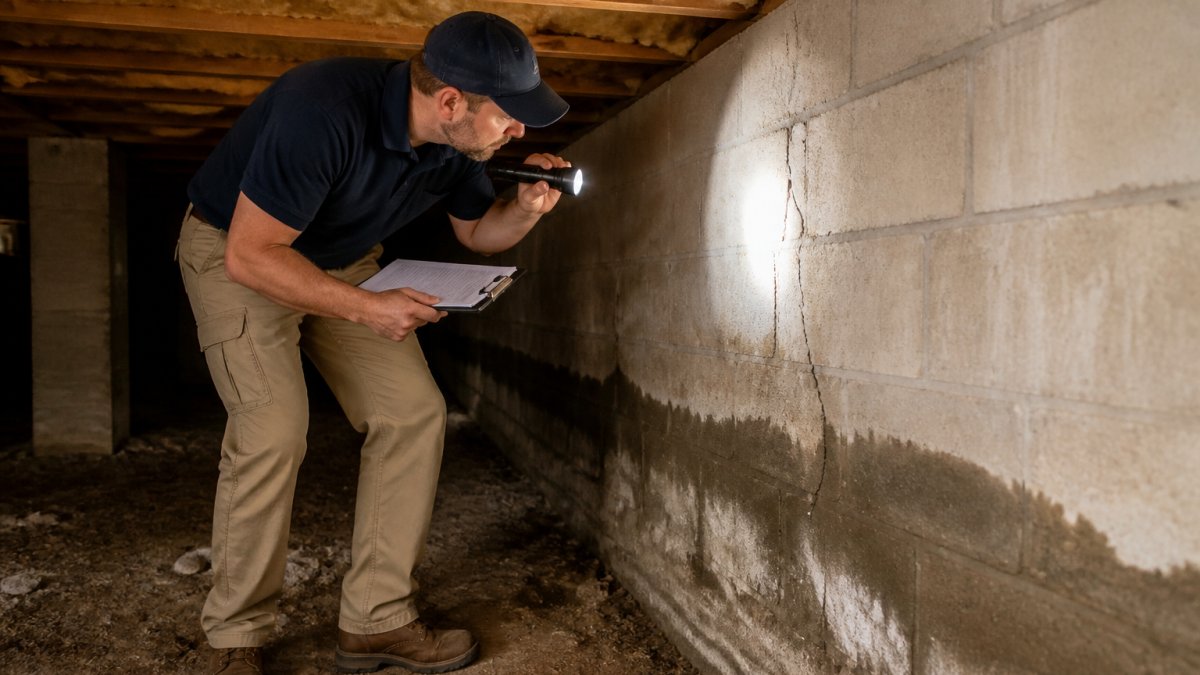
Your foundation is the house's backbone. If it's compromised, everything else matters less. Look for visible cracks in the foundation walls, especially horizontal ones or those wider than a quarter-inch.
Check for water stains or efflorescence (white, chalky deposits) on basement or crawl space walls. These indicate moisture is moving through the foundation.
Settlement cracks around doors and windows are worth noting. Small cracks are typical in older homes, but large ones or patterns that suggest the house is shifting unevenly signal structural issues. Look at how doors and windows close.
Roof and Exterior Condition
Your roof protects everything underneath. Inspect it from the ground with binoculars if you can't safely get up there. Look for:
- Missing or curled shingles that expose the underlayment
- Granule loss (dark spots where shingles are worn bare)
- Sagging areas that suggest structural problems or water damage
- Flashing around vents and chimneys that's cracked, rusted, or pulling away
Gutters and downspouts matter more than many buyers realize. Clogged or damaged gutters cause water to pool against the foundation. Make sure downspouts direct water at least 4 to 6 feet away from the house.
Check the exterior walls for rot, especially around windows and door frames. Press on wooden trim with a screwdriver. If it's soft or crumbly, dry rot is present. Look at siding and caulking for gaps that let water inside. Proper grading and drainage around the foundation keeps water moving away from the house, not toward it.
Electrical Systems and Safety
Your electrical system needs to be safe and adequate for modern use. The main panel should be properly labeled and accessible.
GFCI outlets (ground fault circuit interrupters) should be installed in bathrooms, kitchens, and any wet areas. These outlets have test and reset buttons and protect against shock.
Check for outdated wiring like knob-and-tube or aluminum wiring, which pose fire risks.
Make sure smoke alarms are present on each level and in bedrooms. Carbon monoxide detectors should be near sleeping areas and any fuel-burning appliances. These are inexpensive but critical safety devices.
Plumbing Systems and Water Pressure
Run water in multiple fixtures at once. Do the pipes lose pressure significantly? Low water pressure can indicate mineral buildup, corrosion, or undersized pipes.
Look at the water heater for rust, corrosion, or leaks. Ask how old it is. Water heaters typically last 8 to 12 years.
In East Tennessee, many homes have well water systems or septic systems.
Check for visible corrosion on pipes, especially if you see green stains on copper or white corrosion on galvanized steel.
HVAC Efficiency and Age
Your heating and cooling system should be properly sized and well-maintained. Ask how old the HVAC equipment is. Most systems last 15 to 20 years.
Check that air vents are clear and not blocked by furniture or debris. Look at the ductwork for obvious damage, disconnections, or poor insulation.
Attic ventilation matters for both cooling and preventing moisture buildup. Proper ventilation extends roof life and prevents ice dams in winter.
Ask about filter changes and maintenance records. A system that's been well-maintained is more likely to keep working reliably.
Water Damage and Moisture Intrusion
Water damage is expensive to fix and gets worse over time. Look for stains on ceilings, walls, or floors. Stains indicate past or present leaks.
In crawl spaces, look for standing water, dampness, or mold growth. Moisture in crawl spaces promotes rot and mold and can affect the home's structure and air quality.
Look at basement walls and floors for water stains, efflorescence, or active seepage.
Check attic spaces for signs of roof leaks, water stains, or mold. Proper ventilation and insulation help prevent moisture problems.
Pest and Termite Damage
Termites and other pests can cause serious structural damage. Look for mud tubes on foundation walls or crawl space posts. These tubes are how termites travel.
Check for wood rot or dry rot, which appears as crumbly, discolored wood. This can result from termites, carpenter ants, or moisture. Press on wooden structural elements with a screwdriver to check for softness.
Look for droppings or sawdust near wood, which indicate active pest activity. Check around the foundation and in crawl spaces where pests are most likely to enter.
Home Inspection Checklist for Buyers
Use this checklist to stay organized during your inspection:
| Item | What to Check | Why It Matters |
|---|---|---|
| Foundation | Cracks, water stains, settlement | Structural integrity and moisture control |
| Roof | Shingles, flashing, gutters | Prevents leaks and protects the house |
| Electrical | Panel condition, outlets, smoke alarms | Safety and adequate power for your needs |
| Plumbing | Leaks, water pressure, water heater age | Prevents costly failures and water damage |
| HVAC | Age, maintenance, ductwork condition | Comfort and energy efficiency |
| Moisture | Stains, dampness, mold signs | Prevents rot, structural damage, and health issues |
| Pests | Mud tubes, wood damage, droppings | Prevents costly structural damage |
| Exterior | Siding, grading, drainage | Keeps water away from the foundation |
Home Inspection Red Flags You Need to Know
Some findings are more serious than others. Here are the ones that should trigger deeper investigation:
Horizontal foundation cracks suggest pressure from outside. This is more serious than vertical cracks and warrants a structural engineer's opinion.
Active termite mud tubes or wood damage means the home is being damaged now.
Roof damage or significant age means costly replacement may be imminent.
Missing or inoperable GFCI outlets in wet areas is a safety gap.
Standing water or active seepage in basements or crawl spaces indicates ongoing moisture problems.
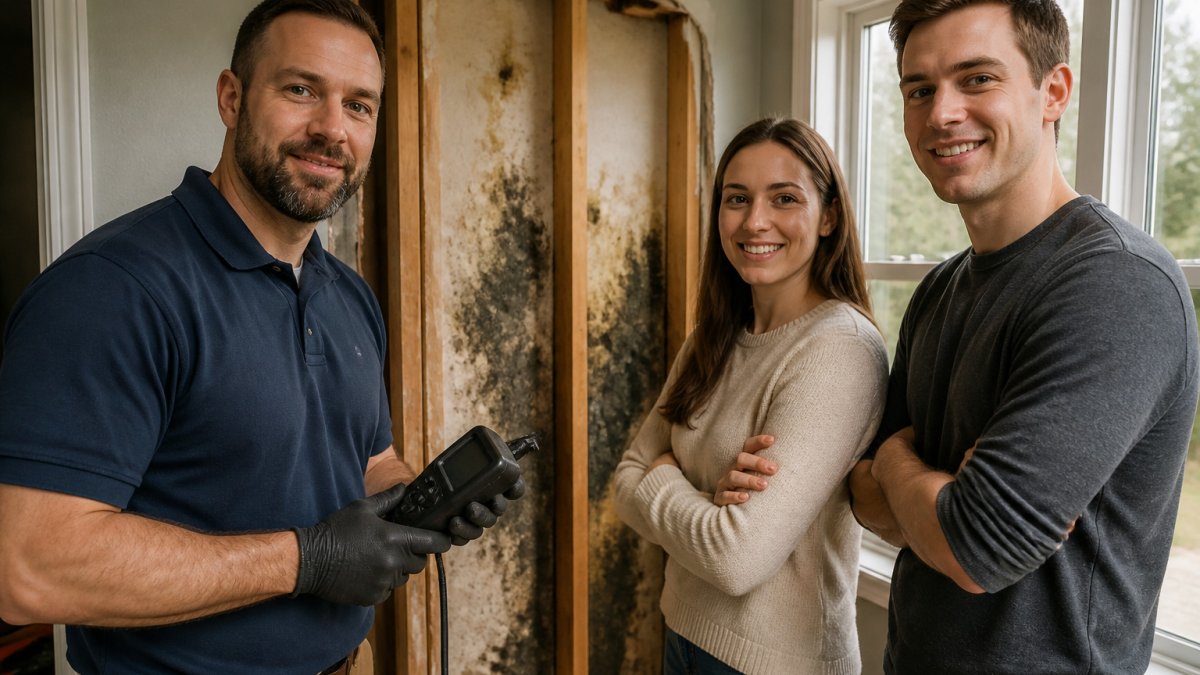
Mold growth especially if it's extensive or in hidden areas, suggests moisture control problems.
Inadequate grading or drainage around the foundation allows water to pool against the house.
How Long Does a Home Inspection Take
A standard home inspection takes 3 to 4 hours for a typical single-family home. This timeline allows the inspector to thoroughly examine every system and document findings with photos.
Larger homes, properties with crawl spaces, or homes with significant issues may take longer. The inspector will communicate this directly if extra time is needed.
Many buyers ask whether they should attend the inspection. We encourage you to join for the summary at the end rather than walk through the entire process. Here's why: homes are like jigsaw puzzles.
What to Do After a Home Inspection
Once you have your report, download it and upload it into an AI tool like ChatGPT, Claude, or Grok. Ask the tool to help you:
- Break down findings into categories (safety hazards, major defects, routine maintenance)
- Estimate repair costs for priority items
- Identify which issues need specialist evaluation
- Generate questions for your realtor or the seller
This gives you a clear action plan before you move to negotiation.
Schedule a follow-up call with your inspector if you have questions. We provide a Calendly link so you can book a time that works for you. A short conversation can clarify findings and help you prioritize next steps.
Post-Inspection Negotiation Strategy
Your inspection report is a negotiation tool. Use it to make informed decisions about repairs, credits, or price adjustments.
First, categorize findings into three buckets: safety hazards, major defects, and routine maintenance. Safety issues (electrical problems, missing smoke alarms, structural concerns) are non-negotiable. The seller should address these before closing.
Major defects (roof near end of life, failing HVAC, active pest damage) warrant a price reduction or repair credit.
Learn how to use your inspection findings to negotiate repairs or credits with the seller.
When you negotiate, be specific. Reference the report findings and include contractor estimates. Sellers respond better to concrete numbers than vague concerns.
Regional Inspection Needs in East Tennessee
East Tennessee homes face specific challenges that deserve extra attention during an inspection.
Radon is a concern in our region.
Moisture and humidity are persistent in East Tennessee. This makes grading and drainage around the foundation critical.
Crawl spaces are common in our area and need careful inspection.
Older homes in our area often have outdated wiring, plumbing, or heating systems.
Lead-based paint may be present in homes built before 1978 (the EPA).
Get a first-time buyer's overview of the inspection process and what to expect.
Next Steps: Schedule Your Inspection
You now know what to look for during a home inspection as a buyer. The next step is to get a professional evaluation of the specific property you're considering.
Integrity Inspection Service serves Knoxville and Knox County, and we regularly inspect homes in Blount, Anderson, Loudon, Sevier, Jefferson, and Union counties. We're independent, locally owned, and focused on giving you an honest, thorough report so you can make a confident decision.
Get a quote online to schedule your inspection. We'll walk you through the process and answer any questions you have.
Frequently Asked Questions
What should a buyer look for during a home inspection?
Focus on major systems: foundation integrity, roof condition, electrical panel safety, plumbing functionality, and HVAC age. Look for signs of water damage, moisture intrusion, pest damage, and settlement cracks. A professional inspector will examine these systematically, but understanding what matters helps you ask informed questions. Small issues add up, a good inspection report includes minor findings so you see the complete picture of the home's condition.
What are the biggest red flags in a home inspection?
Watch for foundation cracks indicating structural movement, water stains suggesting moisture intrusion, outdated electrical panels, corroded plumbing, signs of termite or pest damage, and roof issues like missing shingles or sagging. Also note water heater age, HVAC lifespan, and evidence of poor grading and drainage. These issues often require professional assessment or repair estimates. Red flags don't automatically kill a deal, they give you information to negotiate or walk away with confidence.
How long does a home inspection take?
A standard home inspection takes 3 to 4 hours for a typical single-family home. Larger homes, properties with crawl spaces, or homes with significant issues may take longer. The inspector will communicate timing directly based on the property.
What should I do after receiving my home inspection report?
Download the report and upload it into an AI tool like ChatGPT or Claude to help break down findings, estimate repair costs, and prioritize items. Identify which issues are safety hazards, major defects, or routine maintenance. Schedule a follow-up call with your inspector to clarify questions. Use this information to negotiate repairs, request credits, or decide whether to proceed. The report is your decision-making tool, not a sales pitch.
Buying a home without a clear picture of its condition is risky. You deserve to know what you're getting into before you commit. Integrity Inspection Service gives you that clarity. With over 20 years of local experience and a commitment to thorough, honest inspections, we help buyers like you understand the real condition of the property so you can negotiate, plan, or walk away with certainty. Get a quote online and take the first step toward a confident purchase.