 how-to
How to Negotiate Repairs After Home Inspection
Last Updated: October 23, 2026
Quick Summary
How to negotiate repairs after home inspection starts with prioritizing findings by safety, major systems, and deferred maintenance, then deciding whether to request repair, closing credit, or price reduction. Submit a clear, factual repair request letter that references specific inspection findings and states your request without emotion, giving the seller time to respond before your inspection contingency deadline.
- Safety hazards and major system failures are non-negotiable and should be addressed before closing or grounds to walk away.
- Deferred maintenance and cosmetic items are your responsibility after purchase; don't negotiate these or you lose credibility on legitimate concerns.
- Choose repair by the seller if you want quality control through reinspection, or request closing credit if you prefer to hire your own contractor.
- Keep your repair request to one page, reference the inspection report specifically, and maintain a professional tone without apology or urgency.
- Schedule a reinspection before closing to verify the seller completed agreed repairs properly.
Table of Contents
- Why Your Inspection Report Is Your Negotiating Tool
- How to Prioritize Home Inspection Repairs
- Decide: Repair, Credit, or Price Reduction
- Writing a Home Inspection Repair Request Letter
- Home Inspection Negotiation Examples: What Works
- What to Do If the Seller Refuses to Make Repairs
- Your Next Steps After Negotiation
- Frequently Asked Questions
Why Your Inspection Report Is Your Negotiating Tool
Your inspection report is your roadmap for the biggest financial decision you'll make. It gives you facts about the property's condition, and those facts become your leverage in negotiations with the seller.
Many buyers receive their report and freeze. They don't know what to push back on, what to let go, or how to negotiate repairs after home inspection without sounding unreasonable. That uncertainty costs money. Many buyers walk away over items that could have been negotiated, and others accept repair costs the seller should have covered.
The report levels the playing field. Instead of guessing about the home's condition or taking the seller's word, you have objective findings and documentation. Use it strategically.
Not every finding deserves the same response. Some are deal-breakers, some are maintenance tasks the seller should handle before closing, and some are cosmetic or routine items for your own list after you own the home. Knowing the difference changes how you negotiate.
How to Prioritize Home Inspection Repairs
Not all repairs are created equal. Your report probably lists dozens of items. Negotiate every one and the seller gets defensive; ignore the serious ones and you inherit expensive problems.
Prioritization is the key to smart negotiation.
Safety hazards come first
Safety issues are non-negotiable. These items put occupants at risk or violate building code and must be addressed before closing.
Examples include:
- Electrical hazards (exposed wiring, incorrect grounding, outdated panels)
- Roof leaks that damage structure or create mold risk
- Plumbing problems that compromise water quality or create sewage backup risk
- HVAC systems that vent exhaust indoors
- Missing or damaged railings on stairs or decks
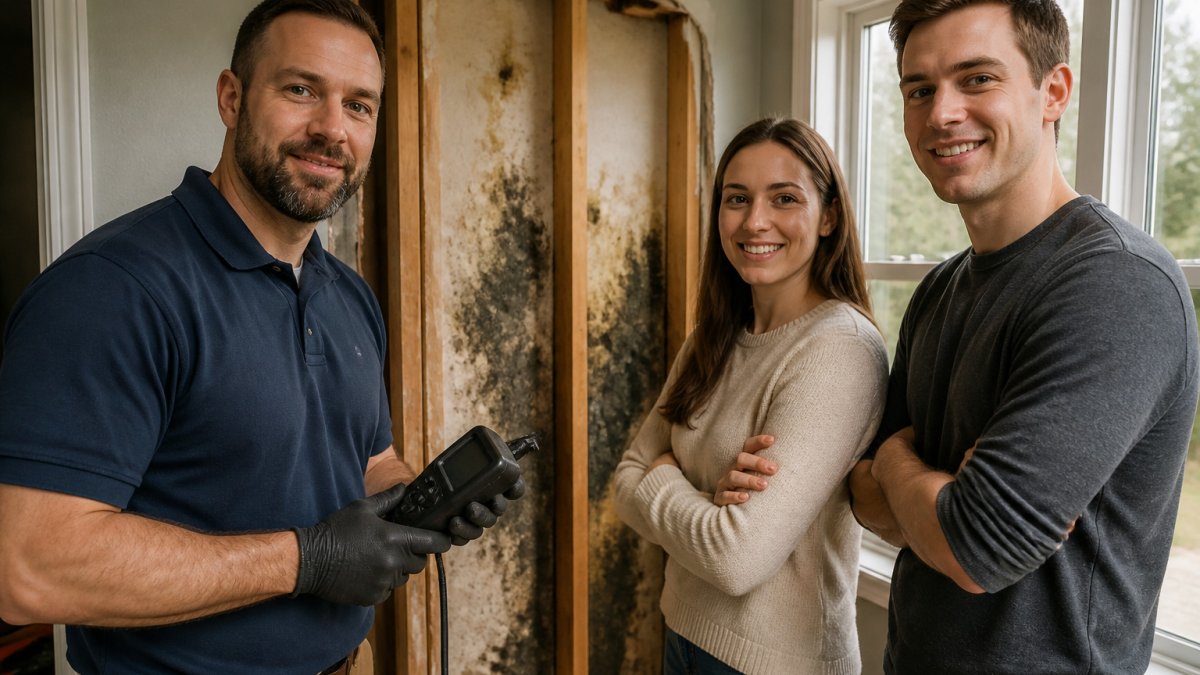
- Mold growth in living spaces or crawl spaces
- Structural damage that affects the home's stability
If the seller won't repair them, you have grounds to walk away or renegotiate the price. Your lender may also refuse to fund the loan until safety issues are resolved.
Major systems and structural issues second
Major systems are the bones of the home. When they fail, the cost is high and the disruption is real. These should be addressed by the seller or credited back at closing.
Major systems include:
- Roof near or past its useful life
- Foundation cracks or settlement
- HVAC system that doesn't heat or cool effectively
- Plumbing with widespread corrosion or leaks
- Electrical panel that's outdated or unsafe
- Water intrusion or drainage problems around the foundation
- Structural rot in framing or support beams
When the inspection uncovers a major system problem, you have leverage. The seller knows a buyer will ask for repair or credit. Pushing back on a 20-year-old roof is reasonable, as is requesting repair of active plumbing leaks or a non-functional HVAC system.
Deferred maintenance and cosmetic items last
Deferred maintenance is work that should have been done but wasn't: paint, caulking, worn flooring, missing trim, landscape drainage, gutter cleaning. These don't affect safety or core function. They're on your maintenance list, not the seller's.
Cosmetic issues are even lower priority. Outdated fixtures, worn carpet, paint color, landscaping. These are personal preference and future-owner choices.
Don't negotiate these. You'll lose credibility and distract from legitimate concerns.
Decide: Repair, Credit, or Price Reduction
Once you've identified which items deserve negotiation, you face a choice: ask the seller to repair them, ask for a credit at closing, or ask for a price reduction.
Each option has trade-offs.
Repair by the seller means the seller hires a contractor and completes work before closing. You get a licensed professional's work, documentation, and potentially a warranty.
The downside: you have no control over the contractor's quality, and the seller will often choose the cheapest option.
Closing credit means the seller gives you money at closing to cover repairs yourself.
The advantage: you control quality, choose your own contractor, and can shop for the best price.
Price reduction means the purchase price is lowered by the estimated repair cost. It's the cleanest option but the hardest to negotiate.
In practice, most negotiations land on repair or credit. Credit is more common when the repair is straightforward and the cost is clear.
Think about what gives you the most control and least risk. If you don't want to manage contractors, ask for repair.
Writing a Home Inspection Repair Request Letter
Your repair request needs to be clear, factual, and professional. Learning how to negotiate repairs after home inspection starts with a business proposal, not an emotional appeal.

Here's the structure:
Start with the specific finding. Reference the report page or section, name the item, and describe the condition in plain language.
Example: "The inspection report identifies active roof leaks in the master bedroom and guest bathroom, with water staining visible on the ceiling and framing."
Explain why it matters. Connect the finding to safety, function, or structural risk. Don't exaggerate, but be clear about the implication.
Example: "Roof leaks can cause rot in framing and create mold risk if not addressed. The inspection recommends repair before occupancy."
State your request clearly. Do you want repair, credit, or price reduction? Be specific about the scope.
Example: "We request that you repair the roof leaks and any associated water damage to framing before closing.
Keep it short. One page, three to four paragraphs. Brevity shows confidence and respect for the seller's time.
Template to adapt:
Dear [Seller's Name/Agent],
Based on the home inspection completed on [date], we are requesting the following repairs be completed before closing:
[Item 1]: [Specific description from report].
Keep the tone neutral and professional. Don't apologize for asking. Don't add emotion or urgency. Let the facts speak.
Home Inspection Negotiation Examples: What Works
Real-world examples show what reasonable requests look like and how sellers typically respond.
Example 1: Active plumbing leak
Inspection finds: Water pooling under the kitchen sink, evidence of past water damage to cabinet framing.
Your request: "We request that you repair the plumbing leak and replace damaged framing before closing.
Why it works: The issue is clear, documented, and functional.
Seller response: Usually agrees to repair or offers a small credit.
Example 2: Roof near end of life
Inspection finds: Roof is 18 years old, showing wear, missing some shingles, but not currently leaking.
Why it works: You're not asking the seller to replace a roof.
Seller response: Often counters with a lower credit or declines.
Example 3: HVAC system not functioning
Inspection finds: AC unit doesn't cool below 78 degrees. Heat pump is cycling on and off erratically.
Why it works: The system isn't functioning as intended.
Seller response: Usually agrees to repair or replace. Some sellers may offer a credit instead.
Example 4: Minor electrical issues
Inspection finds: A few outlets are not grounded. One light switch is loose.
Your request: Don't ask for repair. Add it to your punch list.
Why it works: These are minor, inexpensive fixes.
Seller response: N/A. You're not asking.
What to Do If the Seller Refuses to Make Repairs
Sometimes the seller says no. They don't want to repair, won't offer credit, and won't budge on price. Now you have real decisions to make.
First, understand why they said no. Your agent should find out. Is the seller out of money? Do they disagree with the inspection findings?
If the seller is confident they have other buyers, they may be willing to let you walk.
If the seller is motivated to close, they may come back with a counteroffer. Give them time to respond.
Consider hiring a specialist if the inspection finding is unclear or contested. If the seller disputes the roof condition, a roofer's evaluation can provide clarity.
Decide your walk-away point before you negotiate. Know which issues are deal-breakers and which you can live with.
Get the refusal in writing. Your agent should document the seller's response. If you walk away, you want clarity on why.
Review your inspection contingency. Your purchase agreement includes an inspection contingency that gives you a window to request repairs or walk away. Know your deadline.
Your Next Steps After Negotiation
Once you've negotiated repairs, credit, or accepted the home as-is, the inspection work isn't over. You have follow-up steps that protect your interests.
If the seller agreed to repair: Schedule a reinspection before closing.
If you accepted a credit or price reduction: Get the details in writing in your purchase agreement.
Schedule a follow-up call with your inspector. If you have questions about findings, how to maintain systems, or what to watch for, reach out.
Get contractor bids for items you're responsible for. If you accepted credit or the seller refused repair, you'll need to hire contractors.
Verify any repairs the seller completed. Before closing, walk through the home and confirm the agreed repairs were done.
Keep all documentation. Receipts, permits, contractor invoices, warranties. These matter for your records, insurance, and resale value.
The inspection doesn't end when you get the report. It's the foundation for smart decisions about repair, credit, and negotiation. Use it.
Frequently Asked Questions
What should I ask the seller to fix after a home inspection?
Focus on items that affect safety, major systems, or structural integrity. Examples include roof leaks, electrical hazards, HVAC failures, plumbing issues, and foundation problems. Skip cosmetic items and minor wear. Prioritize what would cost the most to fix later or pose a risk to occupants. Your inspection report will clearly distinguish these categories, making it easier to decide what's worth negotiating.
How do I write a repair request after a home inspection?
Keep it professional and specific. Reference the inspection findings by section or location, describe the issue clearly, and state what you're requesting: seller repair, repair credit, or price reduction. Avoid emotional language or threats. Include photos from the report if helpful. Submit it in writing through your real estate agent, with a clear deadline for the seller's response. A straightforward, factual tone is more likely to get a favorable response than an aggressive one.
What happens if the seller refuses to make repairs after the inspection?
You have three main options: accept the property as-is, request a credit toward closing costs to hire your own contractor, or request a price reduction. If the issues are severe and your purchase agreement includes an inspection contingency, you may be able to renegotiate the offer or walk away. Review your contract terms and discuss options with your real estate agent. Some sellers simply won't budge, and that's when you decide if the property is still worth buying on those terms.
Should I ask for repairs or a credit after a home inspection?
A repair credit often gives you more control and certainty. When the seller makes repairs, you don't know the quality of the work or whether it's done correctly. A credit lets you hire a licensed contractor of your choice and verify the work yourself. However, if the seller agrees to use a qualified professional you trust, repairs can work. Consider the complexity of the issue, the seller's track record, and your comfort level. For major work like roof or foundation repairs, a credit is usually safer.