 how-to
Home Inspection Cost: What to Expect in Knoxville
Table of Contents
- Why Home Inspection Cost Matters Before You Buy
- Factors That Affect Home Inspection Cost
- What Does a Home Inspection Include
- How Long Does a Home Inspection Take
- Questions to Ask a Home Inspector
- How to Verify a Tennessee Home Inspector License
- Getting Your Home Inspection Quote
- Frequently Asked Questions
Last Updated: October 21, 2026
Why Home Inspection Cost Matters Before You Buy
The inspection cost is one of the smallest expenses you'll face when buying a home, but the information it gives you can save you thousands. Without a thorough home inspection, you're making one of the biggest financial decisions of your life on incomplete information.
At Integrity Inspection Service, we've spent over 20 years helping buyers in Knoxville and the surrounding area understand their homes before closing. The report is your roadmap: which systems are sound, what needs attention soon, and where surprises might be hiding. That clarity lets you negotiate confidently, plan for repairs, or walk away if the numbers don't work.
Home size, property age, location, and the condition of major systems all factor into the final price. Knowing how these pieces fit together helps you get a fair quote and avoid choosing an inspector on price alone, a red flag that often means corners are being cut.
Factors That Affect Home Inspection Cost
Pricing is seasonally adjusted and typically starts at $450-$500 for a standard single-family home. The final cost depends on the home's age, square footage, location, and any additional services you add. Understanding what moves that number is how you compare quotes fairly instead of chasing the lowest headline price.
Square footage and layout
Square footage is the biggest single driver. A larger home takes longer to inspect thoroughly because there are more systems to evaluate, more wiring and plumbing to trace, and more roof area to assess.
Layout matters as much as raw size. A two-story home of the same square footage typically costs more than a single-story home because each floor adds stairs, walls, and access points. A home with a large, low crawl space takes longer than one on a slab, since the inspector has to move through it checking for moisture, structural damage, and pest activity. Many East Tennessee homes sit on crawl spaces, so this is a common cost factor here, not an edge case.
Age and condition
Older homes require more time. A 1970s ranch has different systems and failure points than a 2015 build, and applying knowledge of older construction methods and outdated materials takes time.
Visible deferred maintenance also stretches the inspection. If the roof looks worn, the siding needs attention, or the grading suggests drainage problems, the inspector spends more time documenting those issues. A home in poor condition isn't automatically a bad purchase, but it takes longer to assess properly.
Additions and modifications add time too. An expanded or remodeled home requires the inspector to understand how the new work integrates with the original structure and whether it was done properly.
Location and service area
Travel time affects pricing. Knoxville and Knox County are our primary service area, and we regularly inspect properties in Blount, Anderson, Loudon, Sevier, Jefferson, and Union counties. Homes farther out may carry a travel adjustment.
Rural properties sometimes cost more. A home on a large lot with a well and septic system requires additional evaluation beyond standard municipal utilities, and those systems need separate attention.
Add-on services
Every add-on changes the total. Radon testing, sewer scope, mold assessment, and wood-destroying insect documentation are priced separately from the standard inspection. The next section breaks down what each does and when it's worth adding, so you can build a complete number.
How to compare two quotes without getting fooled
A low quote is not the same as a good deal. Put quotes side by side and check four things:
- Scope. Does the quote cover the roof, exterior, foundation, crawl space or basement, HVAC, electrical, plumbing, interior, doors, windows, and built-in appliances? A quote that quietly excludes the crawl space or the roof is cheaper for a reason.
- Exclusions. Ask what is not included. Standard inspections are visual and non-invasive, so specialized testing is always separate. A quote that does not say so is hiding the real total.
- Report delivery and follow-up. Ask when the report arrives and whether you can call with questions afterward. A cheap inspection with a slow report and no follow-up costs you more in the end.
- Time on site. A standard inspection takes 3 to 4 hours. If a quote is dramatically lower and the inspector finishes in 90 minutes, the price difference is coming out of the depth of the inspection.
The goal is not the lowest number. It's a quote you understand, from an inspector whose scope and time on site match what you're paying for. When you're ready, get a quote online and we'll give you a clear estimate based on your home's characteristics and location.
What Does a Home Inspection Include
A standard home inspection covers the major systems and structural elements of the home. Knowing what's included, and what isn't, tells you what you're paying for and which additional tests are worth adding.
Standard inspection scope
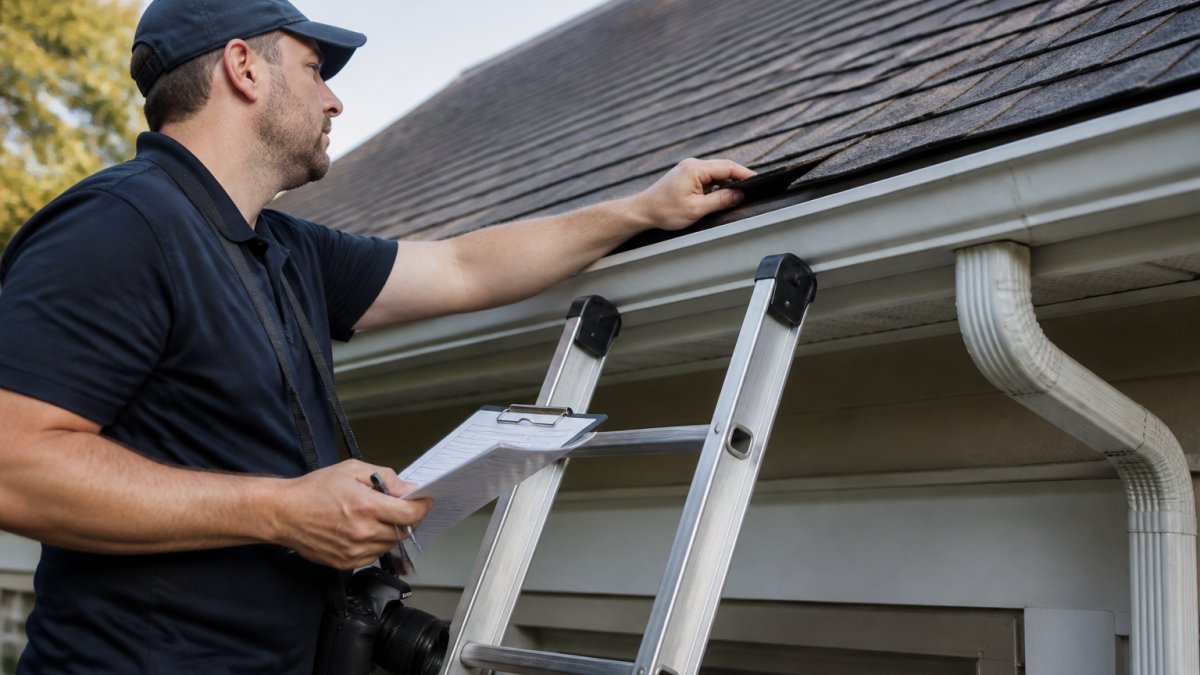
The inspection evaluates the roof, exterior, foundation, crawl space or basement, HVAC systems, electrical panel, plumbing, interior walls and ceilings, doors and windows, and built-in appliances. It's a visual, non-invasive assessment, and you get a detailed report that separates safety concerns, major defects, and maintenance items so you can act on it.
A standard inspection takes 3 to 4 hours for most single-family homes. That time is a meaningful differentiator. Many inspectors rush through a house in 2 hours or less, which usually means they aren't being thorough.
The report arrives quickly. For most standard residential inspections, expect the report by late evening on the second business day. If timing is critical during your transaction, expedited same-day reports are available when requested at booking.
Optional add-on services, itemized
Add-ons are priced separately from the standard inspection, so the clearest way to plan your total is to know what each does and when it earns its place.
Radon testing. Radon is an odorless, colorless gas that can accumulate in homes, and East Tennessee is an area where awareness matters. We perform radon testing as an add-on to a home inspection, and it provides the most value when timing matters, such as during a real estate transaction.
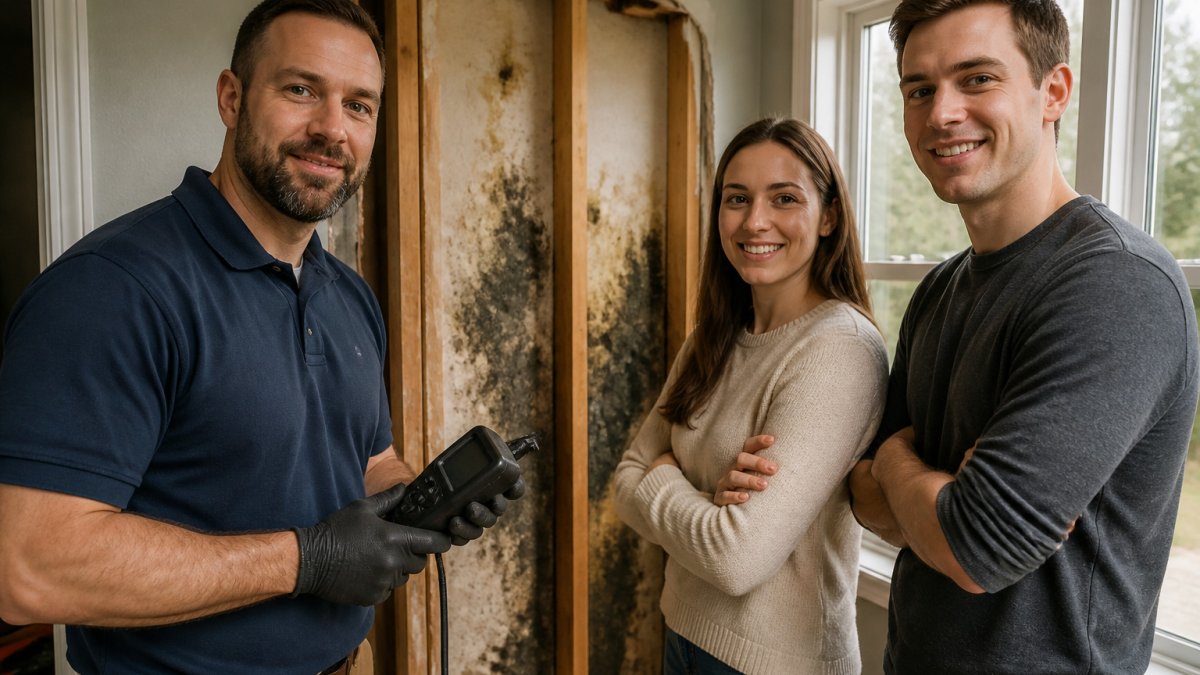
Mold assessment. Standalone mold assessments are available if mold is visible or suspected.
Sewer scope. A sewer scope uses a camera to evaluate the main sewer line from the house to the street, revealing blockages, tree root intrusion, or structural damage a visual inspection can't detect.
Wood-destroying insect (WDI) documentation. A WDI letter documents the presence or absence of pest damage. Many lenders require one for financing. We include it with inspections when requested, and it is usually a lender requirement rather than an optional upgrade.
Thermal or infrared imaging. Infrared can help spot temperature differences that suggest moisture intrusion, missing insulation, or overheating electrical components. It supplements a visual inspection; it does not replace it. Ask whether it is included or priced separately, because that difference shows up in the total.
When you are ready to see what your total looks like, get a quote online and we will walk through the add-ons that fit your property.
How Long Does a Home Inspection Take
A standard home inspection typically runs 3 to 4 hours. Rushing through a home in 90 minutes means missing details that matter.
We encourage clients to join us for the summary at the end rather than attend the full inspection. Homes are like jigsaw puzzles, the full picture is clearer once every system has been examined. Buyers on site can slow the process and make it harder to stay thorough. Meeting at the end lets us walk through findings with the complete picture in place, and we'll have time to answer your questions without interrupting the work.
Larger homes, properties with crawl spaces, or homes showing significant issues take longer than 4 hours. The inspector will communicate that expectation directly when you schedule.
Questions to Ask a Home Inspector
Before hiring an inspector, ask these questions about their qualifications and approach.
Is your license current and in good standing? Tennessee requires every home inspector to hold a current license. You can verify this at verify.tn.gov.
How long do your inspections typically take? Thorough work takes time. Our standard inspections run 3 to 4 hours.
Do you include small findings in your report, or only major defects? Tennessee standards don't require inspectors to report minor items. However, small things add up.
How quickly will I get my report? Ask for a specific timeframe, not a vague promise.
Are you independent from real estate agents? This matters. An inspector who relies heavily on referrals from agents may feel pressure to keep transactions moving rather than give you honest answers.
What's included in your inspection, and what requires separate testing? Understand what the standard inspection covers and what add-ons are available. Don't assume a clean general inspection means specialized testing is unnecessary.
How to Verify a Tennessee Home Inspector License
Verifying an inspector's license takes less than a minute.
Visit verify.tn.gov. This is the official Tennessee verification system for licensed professionals, including home inspectors.
Enter the inspector's name or license number. The system will show whether the license is current and in good standing.
Check the license type and expiration date. Make sure the license matches the service you need and hasn't lapsed.
This simple step protects you. An inspector with an expired license is operating illegally, regardless of their experience or reputation. It's not a guarantee of quality, but it confirms they meet the minimum legal requirement to practice in Tennessee.
Getting Your Home Inspection Quote
Getting a quote helps you understand the cost for your specific property.
The easiest way to get started is to get a quote online. You'll provide basic information about the property, address, square footage, age, and any additional services you need. We'll give you a clear estimate based on your home's characteristics and location.
Payment is due before the summary or before the report is delivered, depending on whether you attend. We accept major credit cards, debit cards, ACH, Cash App, and Venmo.
Once you have the report, download it and upload it into an AI tool like ChatGPT, Claude, or Grok. These tools can help you break down findings, estimate repair costs, prioritize items, and identify questions for a follow-up discussion.
Buying a home without a clear understanding of its condition is like signing a contract you haven't read. The inspection cost is small compared to what you're spending on the house, and the information protects your investment.
Frequently Asked Questions
What factors affect the cost of a home inspection?
Home inspection cost depends on property size, age, condition, and location. Larger homes take longer to inspect. Older properties or those with crawl spaces may require additional time. Your service area within Knox County or surrounding counties can also influence pricing. Additional services like radon testing add to the base inspection cost. Contact us for a quote tailored to your specific property.
How long does a home inspection take?
A standard home inspection takes 3 to 4 hours. Larger homes, properties with crawl spaces, or homes with significant issues may take longer. The inspector will communicate the timeline upfront. We recommend joining us for the summary at the end rather than the full inspection, so you get the complete picture once every system has been checked.
How do I verify a Tennessee home inspector's license?
Tennessee requires all home inspectors to hold a current license. You can verify an inspector's license status at verify.tn.gov. We've seen inspectors operating with lapsed licenses, so it's worth checking before you book. Every licensed inspector must meet state standards for training and continuing education.
What should I ask a home inspector before hiring?
Ask about their experience, certifications, and how long inspections typically take. Request details on what the inspection includes and what add-on services are available. Clarify how quickly you'll receive the report and in what format. Ask whether they work independently or for a national chain, and confirm they have no conflicts of interest with real estate agents. A good inspector should answer all questions directly.