 blog
National Franchise vs Local Independent Home Inspector in Knoxville
Table of Contents
- National Franchise vs a Local Independent Home Inspector in Knoxville: What Actually Matters
- National Franchise vs Local Independent Inspectors: Side-by-Side Comparison
- Pros and Cons of a National Franchise Inspector
- Pros and Cons of a Local Independent Home Inspector
- How to Choose a Home Inspector in Knoxville
- Home Inspector Questions to Ask Before You Hire
- What Does a Home Inspection Include?
- How Long Does a Home Inspection Take, and When Will You Get the Report?
- Frequently Asked Questions
Last Updated: October 14, 2026
National Franchise vs a Local Independent Home Inspector in Knoxville: What Actually Matters
The question "Is it better to hire a national franchise or a local independent home inspector in Knoxville?" comes down to who is actually working for you. A national franchise brings a recognizable name and a standardized process. A local independent home inspector brings knowledge of East Tennessee housing stock, crawl spaces, and the specific problems that show up in this climate.
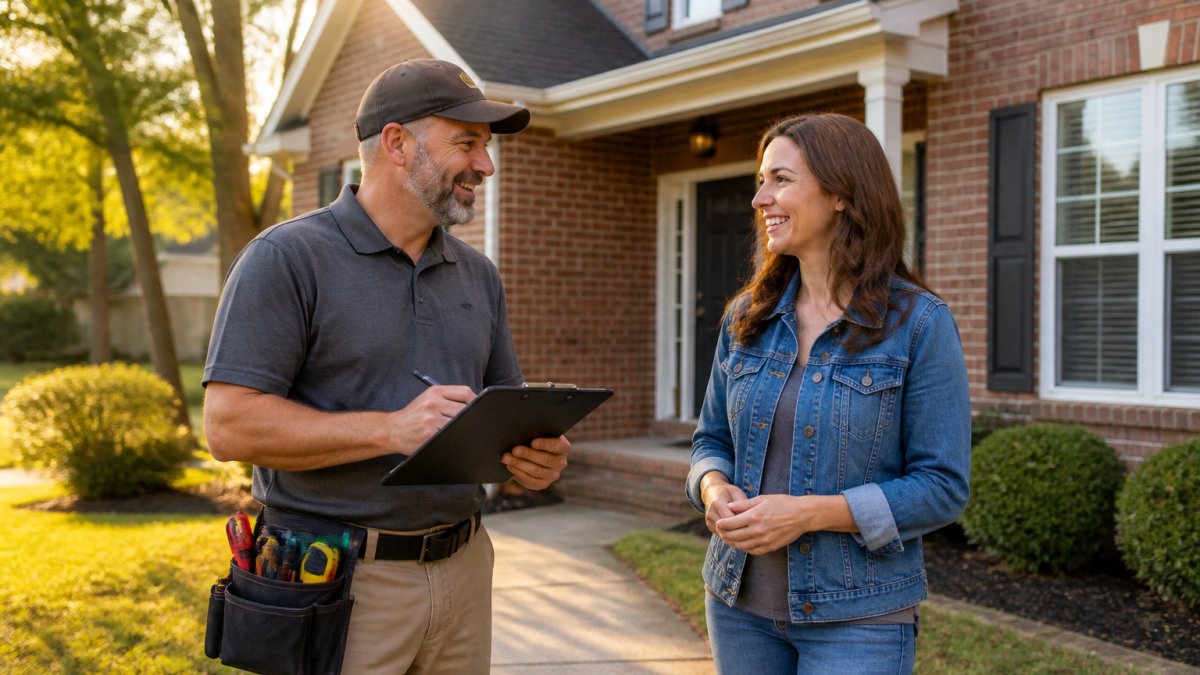
Here at Integrity Inspection Service, we’ve spent over 20 years inspecting homes in this area. We work for the client, not the agent, and we do not rely on realtor incentives or perform repairs. That independence is the whole point.
The real difference isn't franchise versus independent. It's whether your inspector answers to you or to the transaction. That distinction shapes everything: how thorough the inspection is, how clearly issues get explained, and whether you feel pressure to proceed.
Below, we'll break down both options side by side, cover the pros and cons of each, and give you the exact questions to ask before you hire anyone.
National Franchise vs Local Independent Inspectors: Side-by-Side Comparison
Neither option is automatically better. The right choice depends on what you need from the inspection and how much local knowledge matters for the property you're buying.
Factor | National Franchise Inspector | Local Independent Inspector |
|---|---|---|
Brand recognition | High, consistent national branding | Built on local reputation and reviews |
Local market knowledge | Varies by franchise owner | Deep, firsthand experience with area housing |
Report format | Standardized corporate template | Often tailored, prioritized by severity |
Scheduling flexibility | Depends on local franchise staffing | Direct communication with the inspector |
Conflict of interest risk | Larger companies often rely more on realtor referrals, marketing, and incentives | Low when the inspector relies on word of mouth and local reputation |
Consistency across inspectors | Standardized training, but less personal stake in each inspection | Direct ownership — the inspector’s reputation is on every report |
Inspection Time | Often Faster to maximize volume | Typically 3–4 hours for a thorough inspection |
Local Accountability | Reputation is shared across the franchises | Reputation is tied directly to the individual inspector |
The table shows the trade-offs clearly. A franchise offers consistency. An independent inspector offers local depth and direct access.
What most buyers don't realize is that both models can produce a good inspection. The deciding factor is the individual inspector's integrity, experience, and how they communicate findings.
National franchise brands that operate in the Knoxville area include NPI, Pillar to Post, A-Pro, and HomeTeam. Quality still depends on the local owner and the individual inspector.
Pros and Cons of a National Franchise Inspector
A national franchise inspector works within an established corporate system. That structure brings real advantages and some real limitations.
Pros:
- Standardized training and reporting procedures (though application still varies by location)
- Recognizable brand name that may feel familiar
- Corporate backing when you have a complaint
- A consistent process, even if the individual inspector changes
Cons:
- Local franchise quality varies widely by owner and staff
- Corporate templates can feel generic and less tailored to your home
- Less flexibility on scheduling and communication
- Inspectors may rotate, so you don't always know who's coming
- Greater reliance on realtor referrals, incentives, and marketing in many markets
- The inspector’s personal reputation is not directly tied to the franchise name
A common mistake buyers make is assuming the national name guarantees a better inspection. It doesn't. The franchise model sets a floor, not a ceiling. The person walking through your home matters more than the logo on the truck.
Pros and Cons of a Local Independent Home Inspector
A local independent inspector owns the business and often performs the inspections personally. That changes the accountability structure.
Pros:
- Direct communication with the person doing the work
- Deep familiarity with local building practices and climate issues
- Reputation is tied to every single job, not a national ad budget
- Reports can be prioritized around what actually matters to you
- The inspector’s name and reputation are directly on the line
Cons:
- Quality varies, so you need to vet the individual carefully
- No larger corporate structure behind the business
- Smaller operations may have limited scheduling windows
- Some independents also have conflicts (such as quoting repairs or relying on agent referrals)
That last point deserves attention. A local inspector who markets to and incentivizes realtors may have a reason to shade findings, while a local inspector who also offers repair services has a financial incentive to find problems. At Integrity Inspection Service, we do not perform repairs and never quote repair work, and we do not rely on realtor incentives. That removes those conflicts.
“A franchise gives you a consistent process. Whether that process is thorough enough for the home you’re buying is a different question.”
— Inspector Buck Fleming, Integrity Inspection Service
How to Choose a Home Inspector in Knoxville
Choosing a home inspector in Knoxville starts with three filters: credentials, conflict of interest, and communication style. Get those right and the rest usually falls into place.
Start with certification. Look for inspectors who hold credentials from recognized industry bodies. InterNACHI (the International Association of Certified Home Inspectors) is one of the most widely recognized. Certification means the inspector met training and testing standards.
Next, check for conflicts of interest. Ask whether the inspector or their company performs repairs. If they do, the inspection may not be fully objective.
Then verify experience with the local housing stock. East Tennessee homes include a lot of older construction, crawl space foundations, and properties where drainage and grading have shifted over time. An inspector who knows these patterns will spot issues faster.
Finally, read recent reviews. Look for specifics about thoroughness, report clarity, and responsiveness, not just star ratings.
- Confirm current State of Tennessee Licensing and certification (InterNACHI or equivalent)
- Ask whether the company markets to or incentivizes realtors
- Ask whether the company performs repairs or quotes repair work
- Check years of local experience, not just total years
- Read recent reviews for specifics on report quality
- Confirm what's included and what costs extra
- Ask about report turnaround time before you book
Home Inspector Questions to Ask Before You Hire
Ask these questions before you book anyone. The answers tell you more than any website or brochure.
Are you licensed? Check verify.tn.gov
Are you certified, and by whom? Look for current certification from a recognized body.
Do you or your company market to or incentivize realtors? If yes, then the inspector may have a reason to soften findings.
Do you or your company perform repairs? If yes, understand that the inspection may not be fully independent.
What's included in a standard inspection? A typical inspection covers the roof, foundation, HVAC, electrical, plumbing, and structure. Specialized testing like radon, sewer scopes, or termite letters is usually separate.
Can I attend? Policies differ. At Integrity Inspection Service, we encourage clients to join for the summary at the end rather than attend the full inspection. Buyers on site can slow the process, and the full picture is clearer once every system has been checked. Meeting at the end lets us walk through findings with the complete picture in place.
How long until I get the report? Timelines matter when you're on a closing schedule.
What happens if you find something major? A good inspector explains what the finding means and what your options are, without telling you what to do.
What Does a Home Inspection Include?
A standard home inspection is a visual, non-invasive evaluation of the home's major systems and structure. It is not a code inspection, and it does not involve tearing into walls or testing systems that require specialized equipment.
A typical inspection covers:
- Roof and attic, including visible framing and insulation
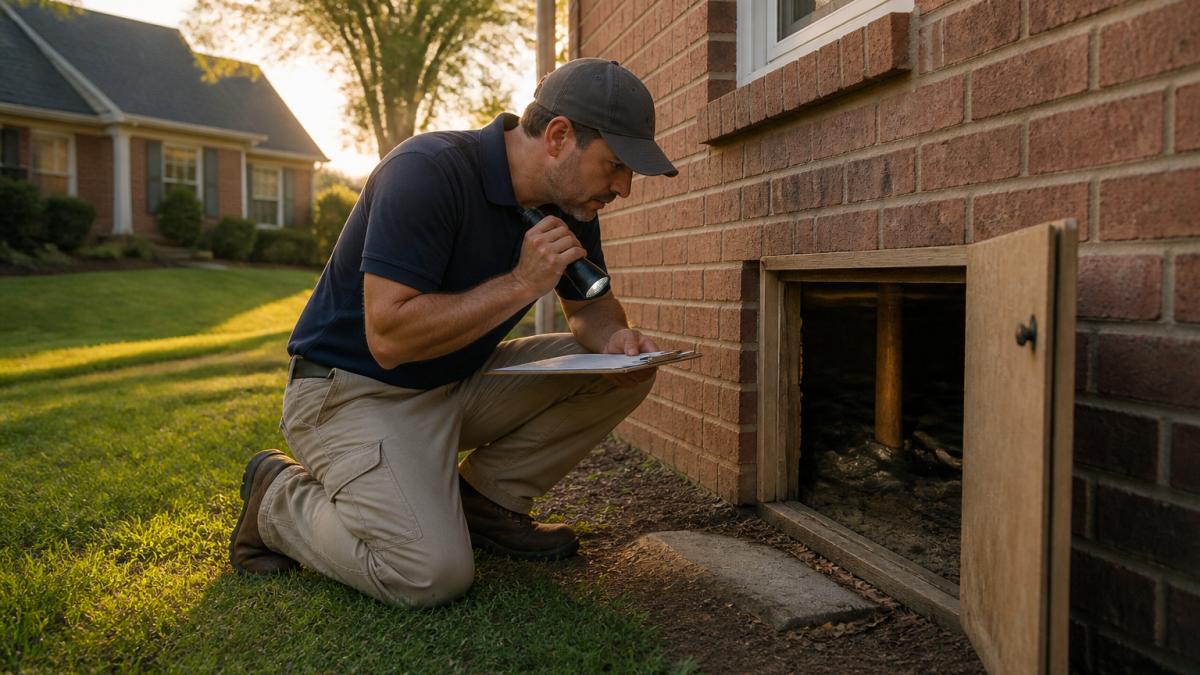
- Foundation and crawl space, where accessible
- HVAC systems
- Electrical panel, wiring, and outlets
- Plumbing supply lines, drains, and fixtures
- Structure, including walls, floors, and ceilings
- Windows, doors, and exterior
- Drainage and grading around the foundation
What's not included: radon testing, sewer scopes, termite inspections, and mold assessments. Those require separate testing.
Radon is worth a specific mention. Radon testing is typically added to a home inspection rather than performed as a standalone service. For homeowners who already own the property and have time, the Tennessee Radon Program provides free charcoal canister test kits (Free Radon Kits). During a real estate transaction, timing usually makes paid testing more practical.
A clean general inspection doesn't mean specialized testing is unnecessary. It means the inspector didn't find visible issues within the scope of a standard inspection.
How Long Does a Home Inspection Take, and When Will You Get the Report?
A typical thorough single-family home inspection takes three to four hours, depending on the home's size, age, and condition. Larger homes and properties with significant issues take longer.
Report delivery varies by provider. At Integrity Inspection Service, we aim to deliver most reports the same day or the next day. For most standard residential inspections, expect the report by late evening on the second business day. Expedited same-day reports are available if requested at booking. Larger homes or properties with significant issues may take longer, and the inspector will tell you directly.
When the report is in your hands, you'll know what's working, what needs attention, and what the next steps should be. That's the point: the inspection isn't a sales pitch. It's a decision-making tool. It gives you what you need to negotiate, plan, or walk away with certainty.
Frequently Asked Questions
Is it better to hire an independent home inspector?
An independent inspector works for you and does not sell repairs, which removes the conflict of interest that comes with a company that also quotes fix work. Franchise offices can also be independent of repair work, so the deciding factor is who the inspector answers to on your deal. Ask directly whether the company performs repairs, whether it receives referral incentives from agents, and whether you can read a full sample report before you book.
What questions should I ask a home inspector before hiring them?
Ask what certifications they hold, whether they carry general liability and errors and omissions insurance, what the inspection includes and excludes, and how soon the report arrives. Ask whether they perform repairs or quote repair work, and whether they will walk you through the findings at the end. For East Tennessee homes, ask how they handle crawl spaces, drainage and grading, and whether radon testing is available as an add-on to the inspection.
What does a standard home inspection include?
A standard inspection is visual and non-invasive. It covers the roof, structure and foundation, attic and crawl space, electrical, plumbing, HVAC, windows, doors, and visible insulation. It does not include radon, termite or wood-destroying insect letters, sewer scopes, or mold sampling, which are separate services. A clear report separates safety hazards, major defects, and routine maintenance items so you know what to negotiate, what to plan for, and what can wait.
How long does a home inspection take, and how fast is the report?
A typical single-family home takes roughly three to four hours, depending on size, age, and how many systems need a closer look. Most reports are delivered the same day or the next day, and a standard residential report usually arrives by late evening on the second business day. Expedited same-day reports are available if you request them at booking, which helps when your closing timeline is tight.
Buying a home in East Tennessee means dealing with crawl spaces, humidity, drainage, and housing stock that varies block to block. The right inspector gives you the full picture before you commit. Integrity Inspection Service is locally owned, InterNACHI certified, and backed by over 20 years of hands-on experience. We don't perform repairs, so our only job is an honest report. Get a quote online and schedule your inspection with a team that works for you.